Aloud
Interactive hearing aid jewelry that supports communication, self-expression, and normalization.
ALOUD is a collection of interactive ear jewelry pieces for hearing aid users who wish to be more open about their hearing impairment, and to become more comfortable with communicating their needs to others. The pieces are able to elegantly change their appearance for a short time. At the user’s command, they transform into a more eye-catching piece of jewelry that draws attention to the ear and hearing aid.
Hearing aid use is a heavily stigmatizing experience, especially for younger people who do not fit the cultural assumptions that hearing impairment is a characteristic of advanced age. ALOUD jewelry allows users to make their hearing impairment visible without any immediate stigma associations, and serves as an aesthetic addition to their appearance. Because its interaction is abstract, users can choose to whom they want to disclose its function.
The user can also deploy ALOUD as a communication tool to subtly signal when they have trouble understanding a conversation partner. This also helps others gain more insight in the sound conditions that cause difficulties and better accommodate users’ needs in the future.
This project aims to challenge health-related stigma for hearing aid users from a designer perspective, and is an application of design theory I developed in my Master.


Our Mistakes are Invisible
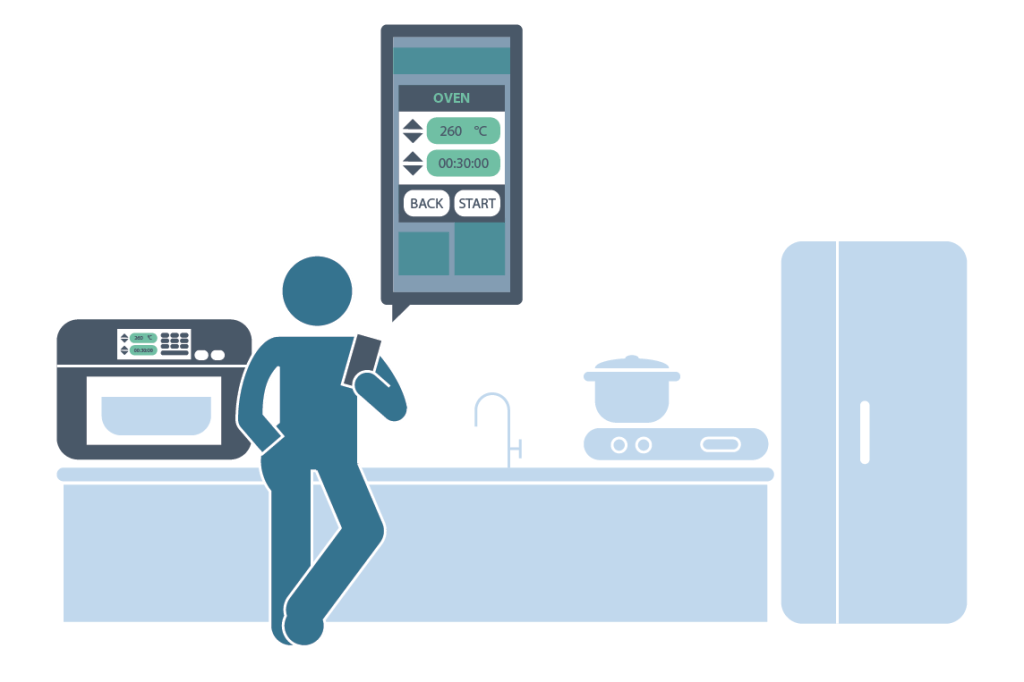
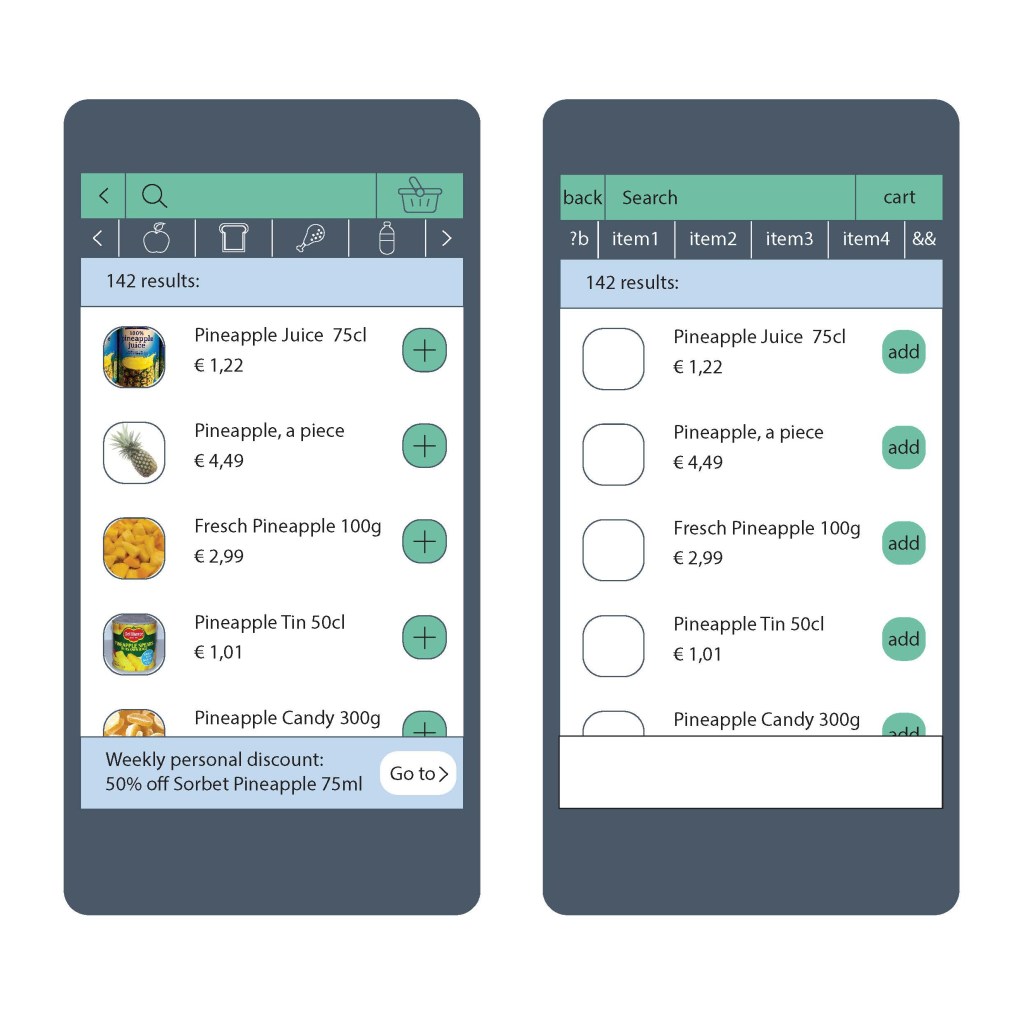
What smart technology designers can learn from visually impaired users.
This research provides insights for smart technology designers into the blind user group’s experiences and habits, and into our own practices that lead to accessibility problems. Combining these two perspectives, it is found that accessible design principles for blind users strongly relate to usability and design principles, and can specifically address weak aspects of a design that impact a variety of user groups.
This results in the creation of a tool for designers that facilitates the application of these principles through guidelines for a broad user group. The proposed framework helps designers evaluate to what extent their smart technology product meets these guidelines, and serves to identify opportunities to improve usability throughout the design process.
Design for anonymous online collaboration
A study on social translucence and perspective taking in a collaborative crowdsourcing environment.
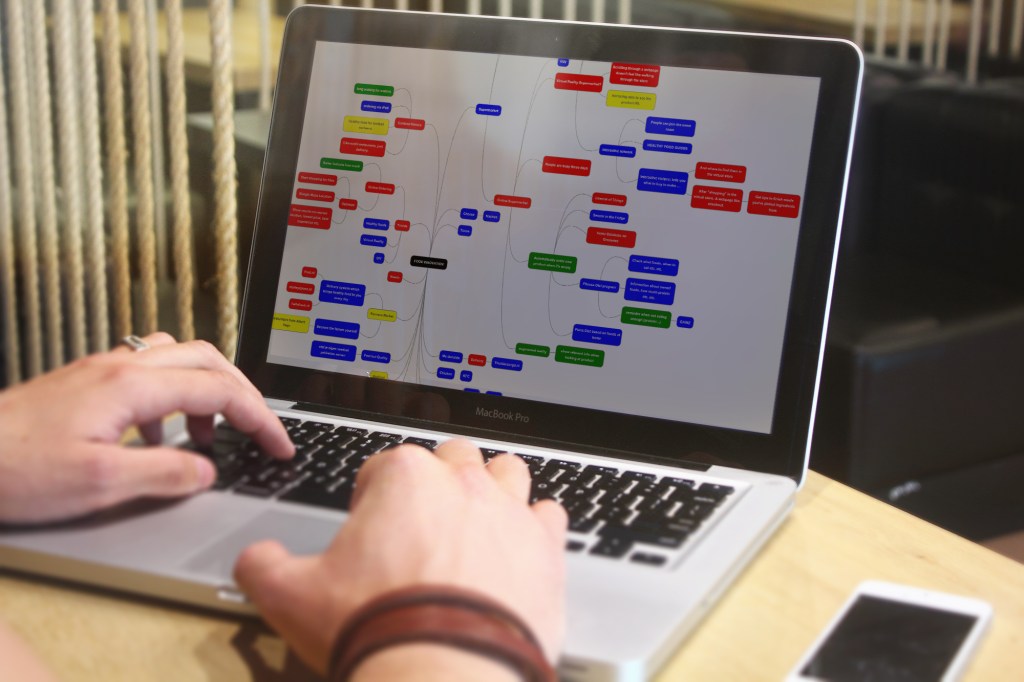
An investigation of the effects of social translucence on perspective taking in collaborative online work. Small groups of participants anonymously collaborated online to work on a design challenge using an online mind mapping tool. Some groups were able to identify which contributions were made by the different participants, while the other group remained unaware. The experiences of participants were analyzed through mixed research methods, resulting in insights and design recommendations for collaborative crowdsourcing platforms.
Flexible Modular Interfaces
A Design Manifesto.
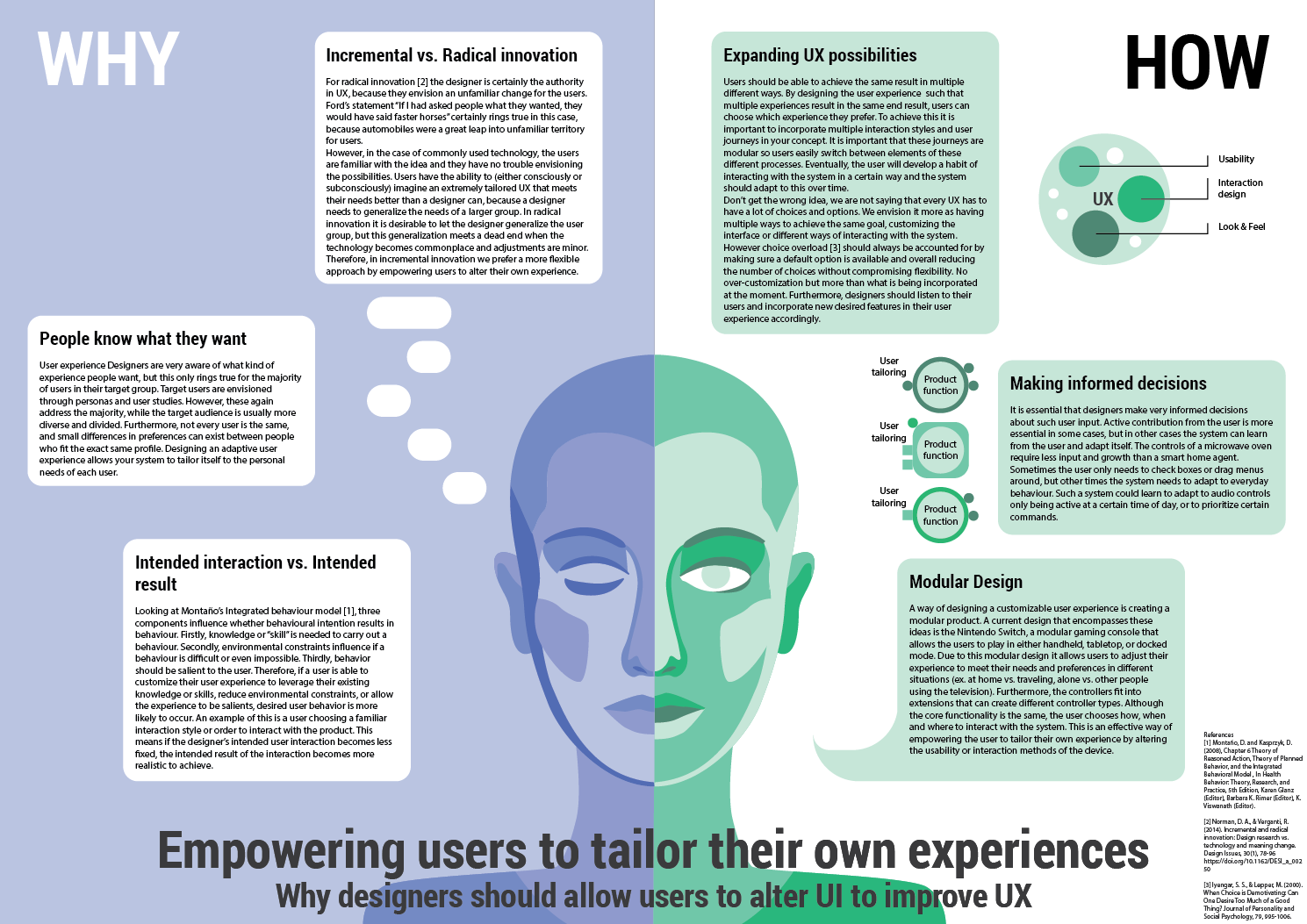
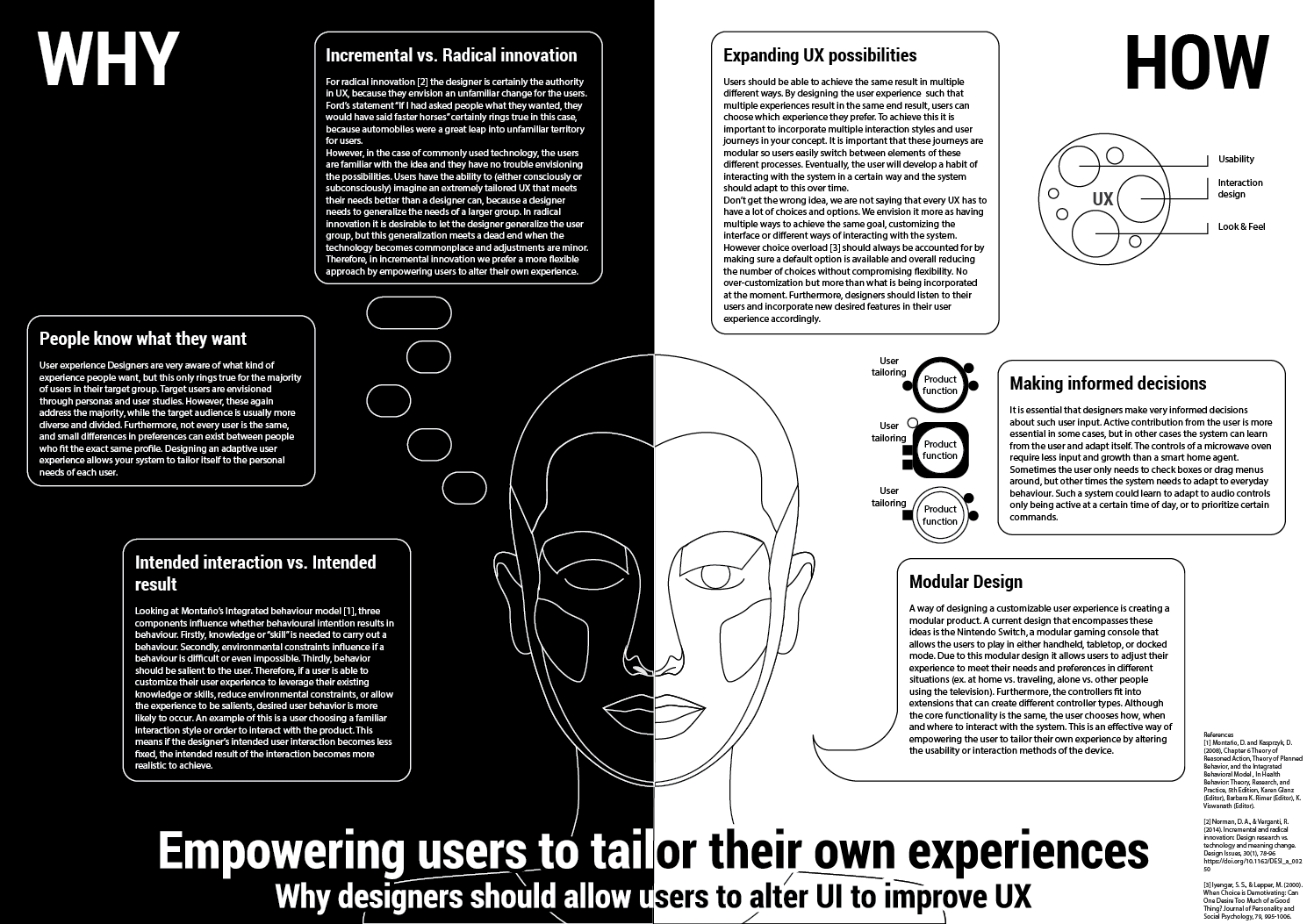
A manifesto about empowering users to tailor their own experiences through built-in modularity of interaction, feedback, and feedforward in systems.
CoMatch
A game for dementia patients that stimulates communication, conversation and connection.
This personalized memory game is a tool for reminiscence therapy as much as it is a tool for social connection.
Reminiscence therapy helps early stage dementia patients ground themselves and recall memories through a stimulation of the senses, to which this game adds a social element to help stimulate conversation and diminish the awkwardness that often characterizes the relationship between patients and their loved ones.
Cherished memories are represented through customized combinations of images and sounds, such as a wedding photo and the song of the couple’s first dance. The personal familiarity helps patients engage more with the therapy, and provides conversation topics for the players.
The External Ostomy Bag
Exploring alternate approaches to medically stigmatized design.
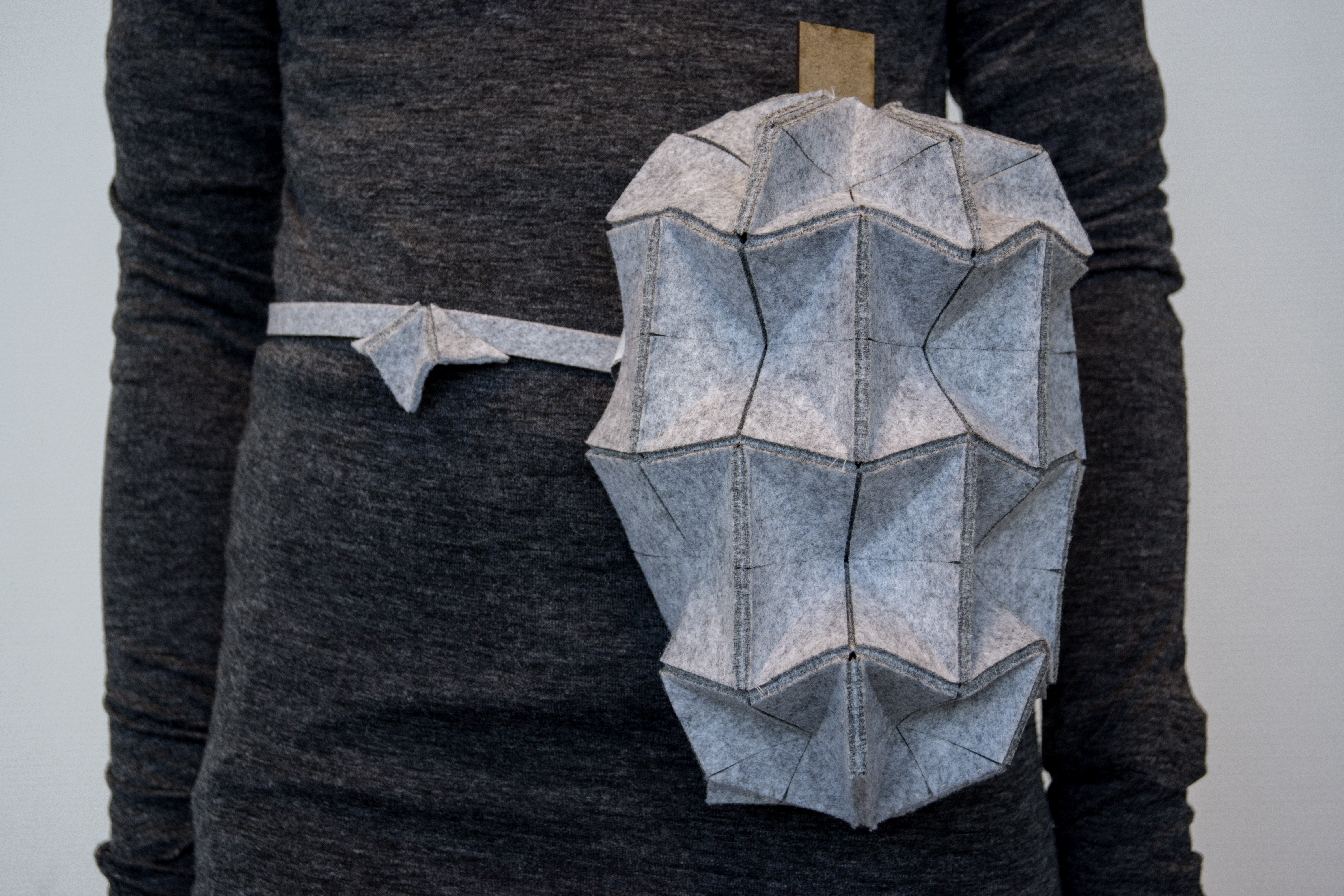
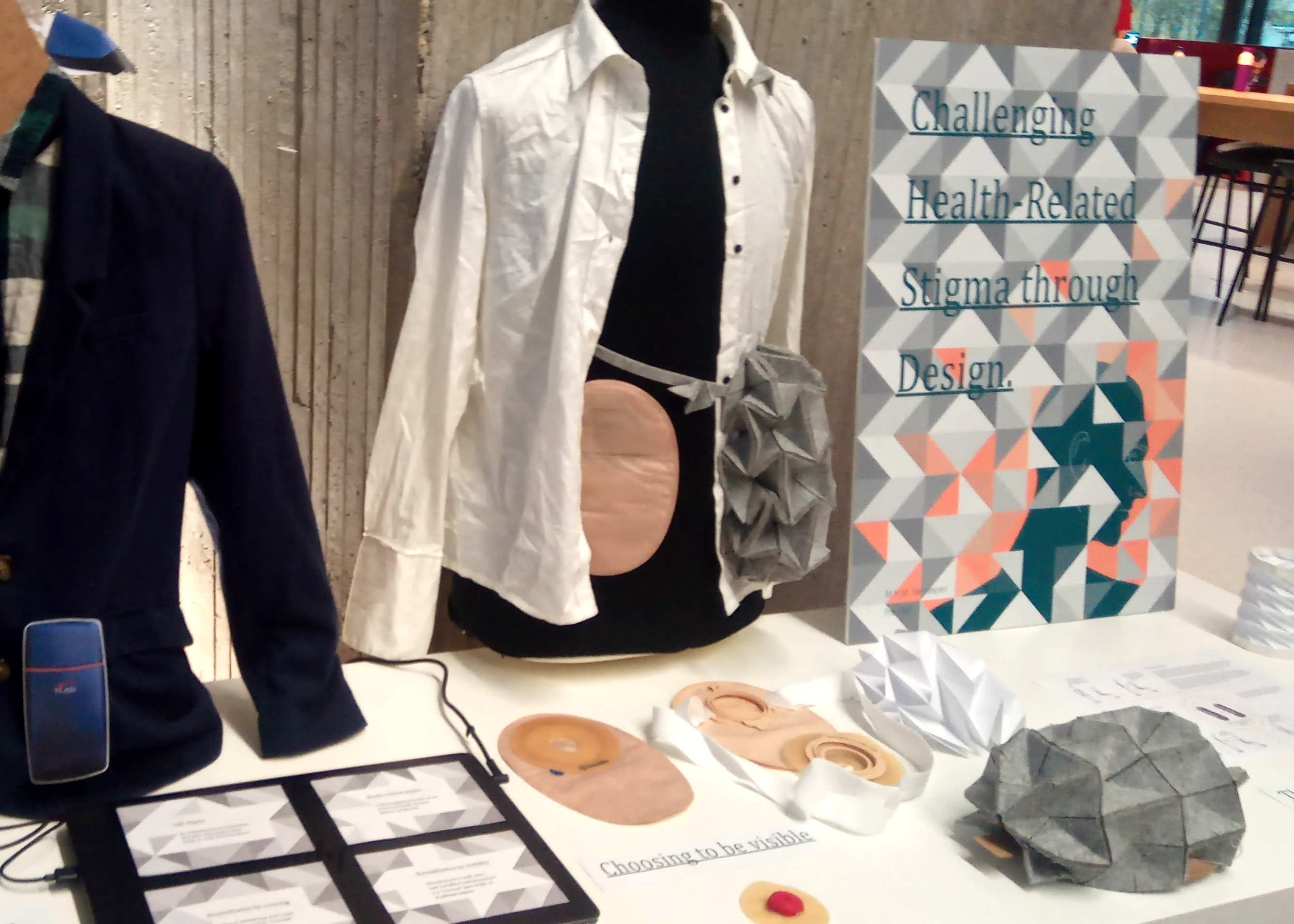
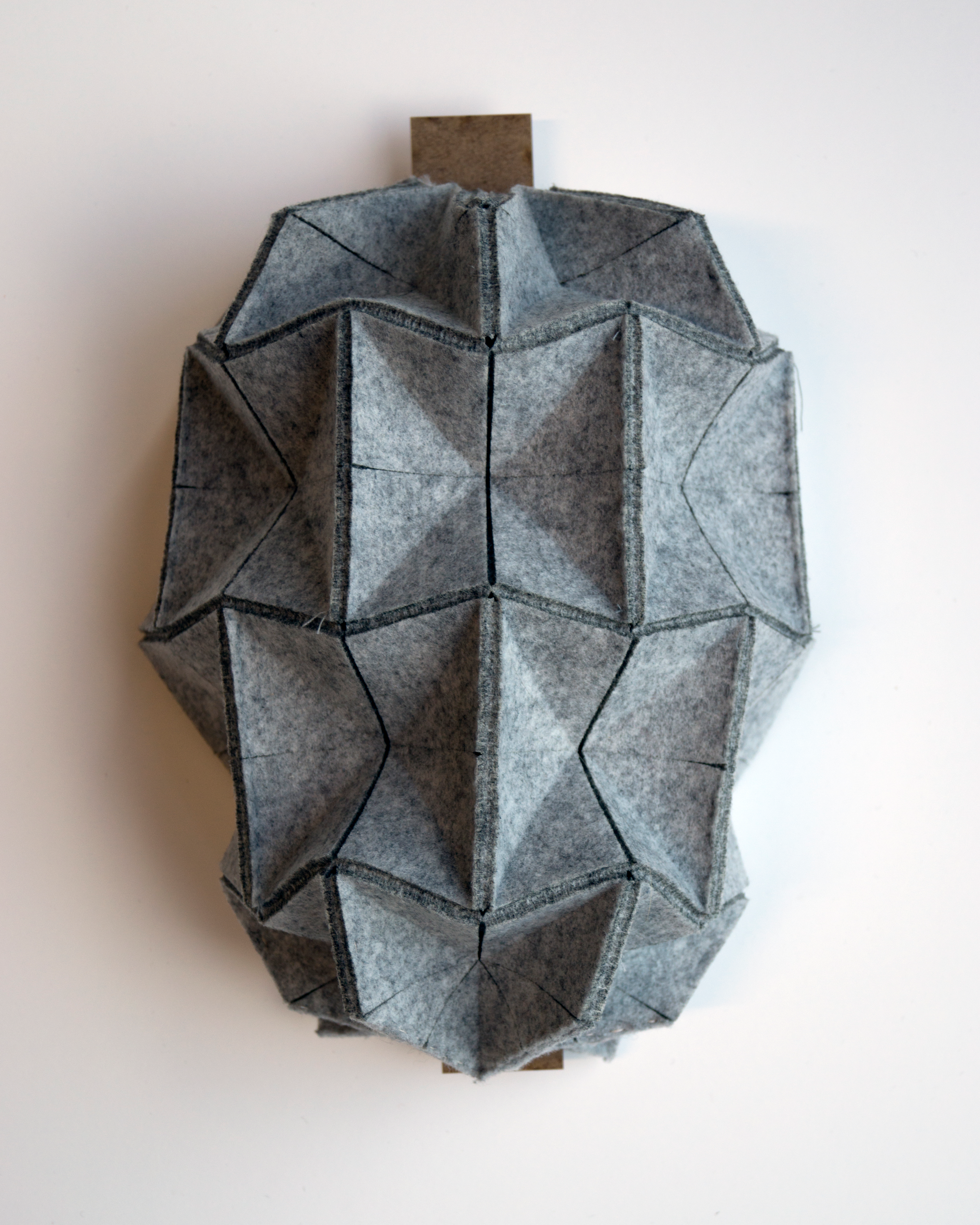
This concept allows an ostomy pouch to become visible by wearing it above one’s clothing. Because its aesthetic properties do not indicate its medical function, it offers stoma patients the choice to make this heavily stigmatizing trait visible in a positive and non-confrontational manner.
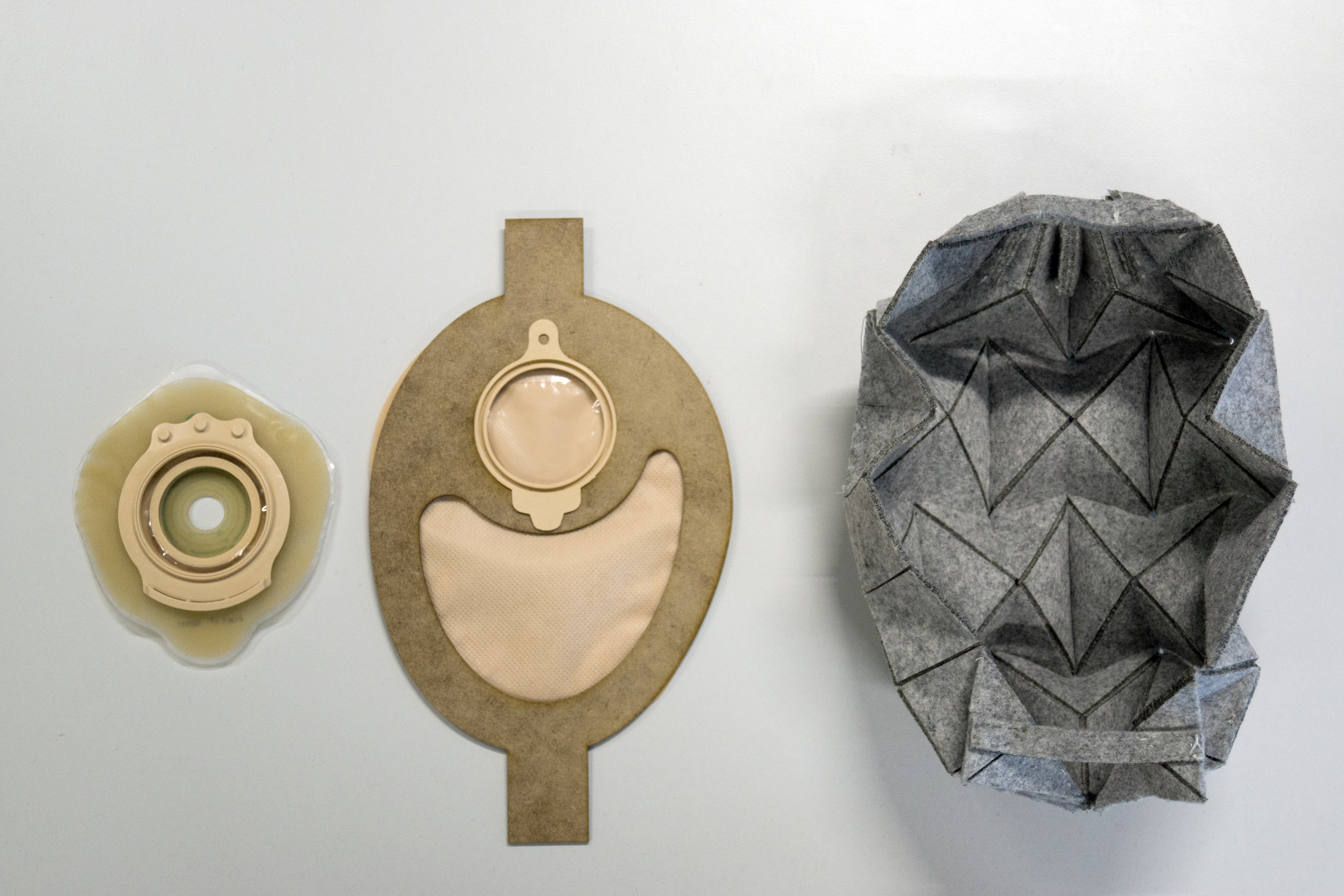
The origami fold is used for the outer bag for its aesthetic properties and expandabe functionality to accommodate the pouch as it fills up. This outer bag connects to a brace which is secured to the flange. Because the concept accommodates an existing stoma pouch, users can choose to either wear their pouch in the hidden, original, manner or choose to wear it visibly.
The External Ostomy Bag is one of several design explorations that illustrate different design approaches to challenging health-related stigma in different user contexts. These approaches were strongly inspired by how a target group copes with stigma, and explored how the user can express medical identity through design, as well as how design can support normalization strategies that challenge stigma.
A Circular Step-Counter
Redesigning a linear economy product to suit the circular economy.
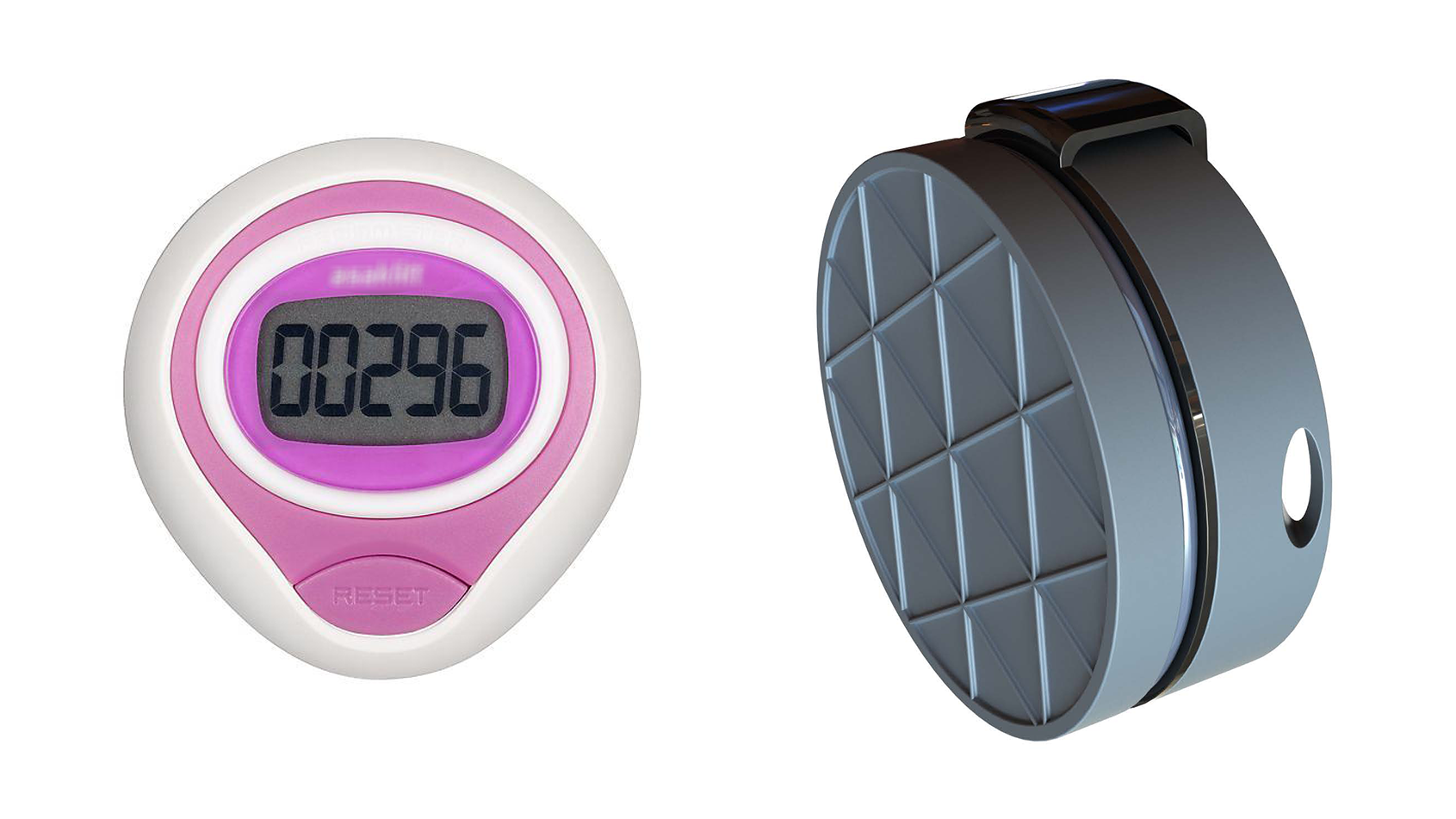
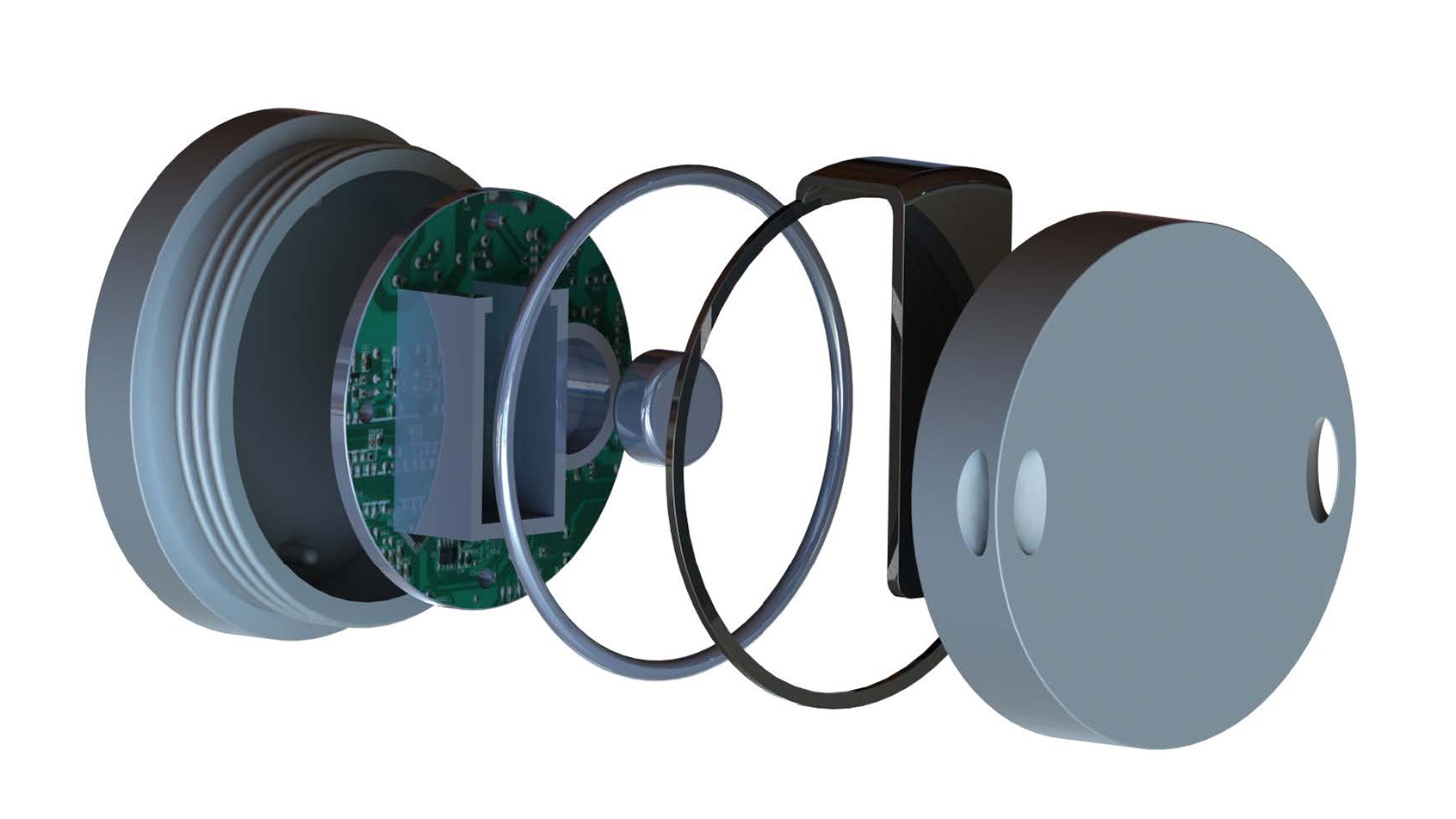
A deconstruction, analysis, and reconstruction of a cheap “throwaway” step-counter. The goal is to design a replacement with a similar functionality and consumer cost, which is suited for the circular economy and which causes less environmental impact with its production. The new step-counter is an example of a circular product suited for easy repair and refurbishing to extend its operational lifespan.
The redesign focused on materials, electronic components, and assembly methods, which were evaluated and validated through tools such as life cycle assessment, material analysis, and Luttropp & Lagerstedt’s principles of Eco Design.
The Laundry Buddy, a Future Perspective
A study on the future development of smart technology.
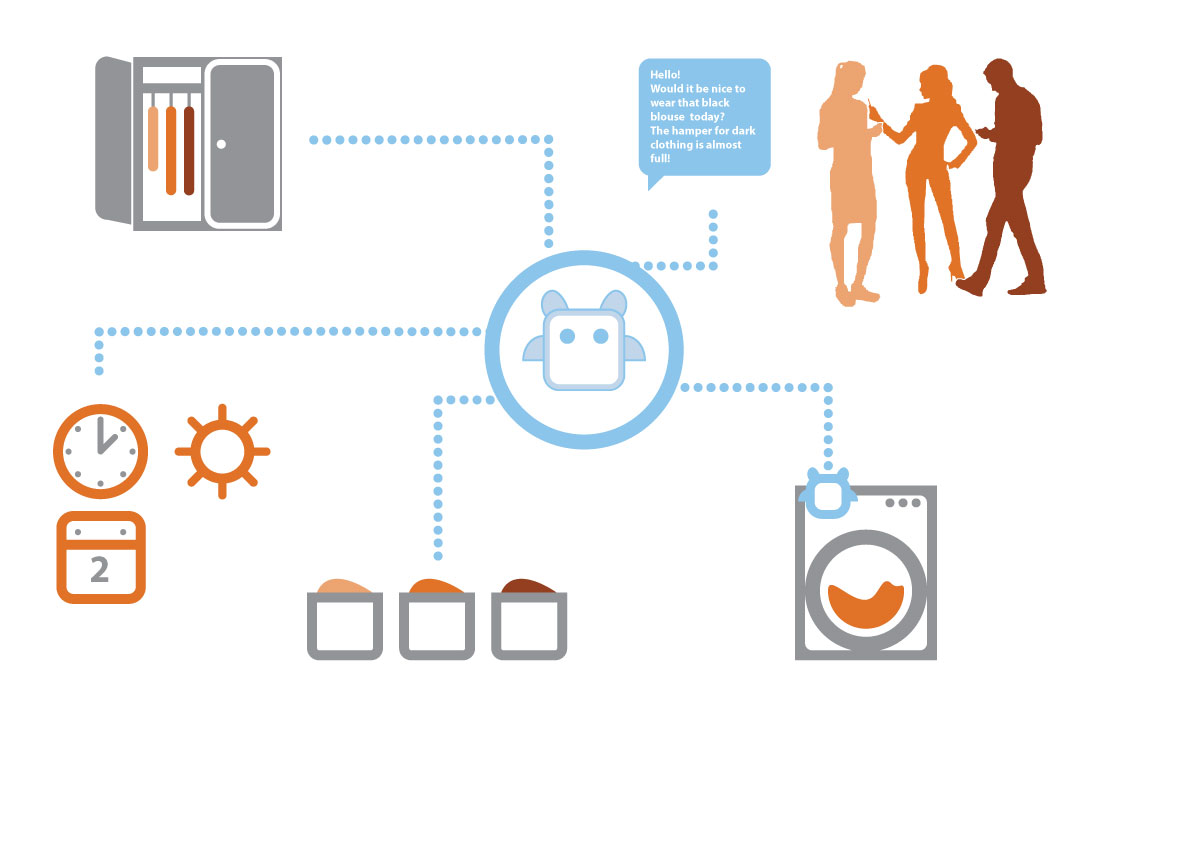
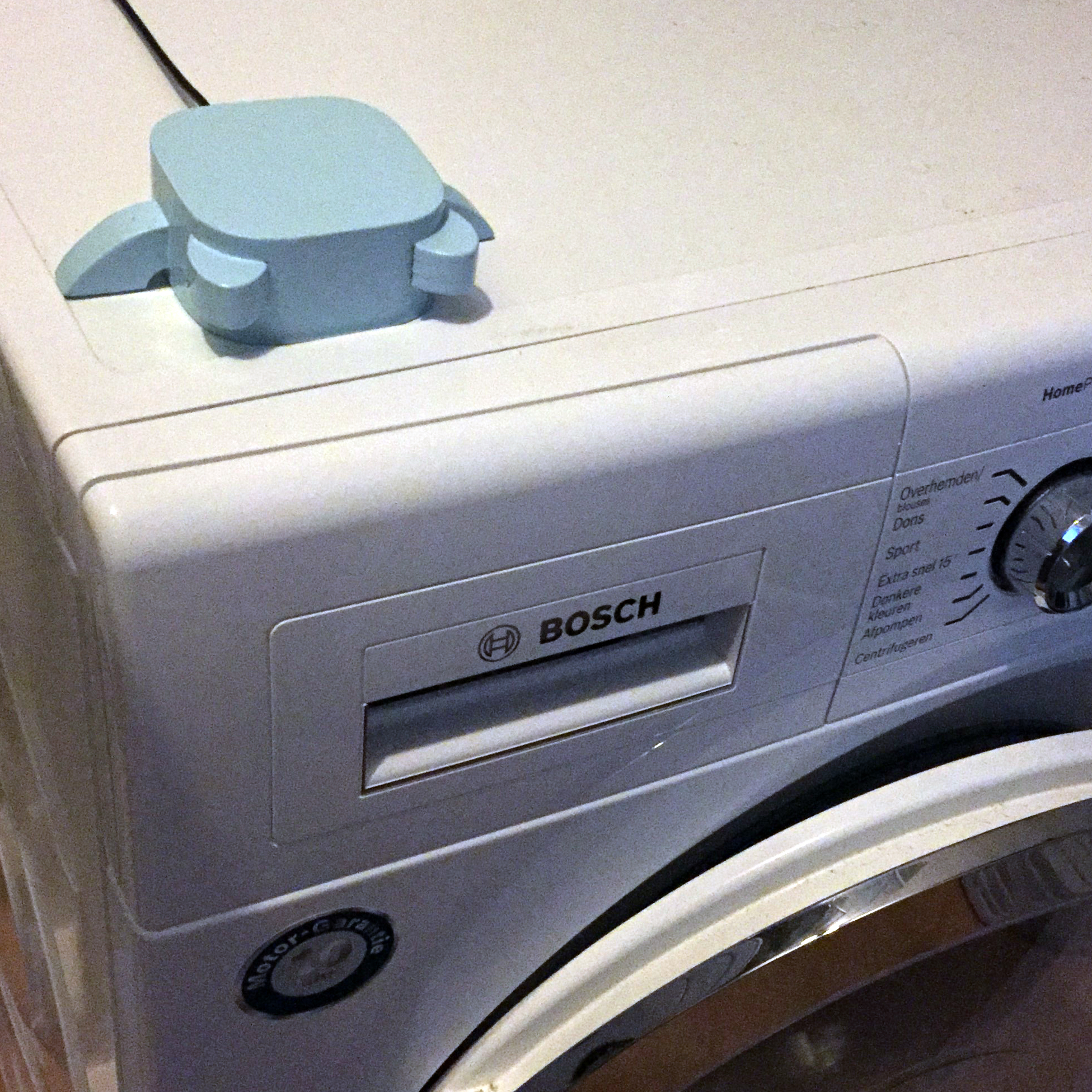
Smart homes are becoming the future standard of living: a home full of connected devices, intended to save time and make life easier. However, the technological revolution in the past century teaches us that most of technological developments come with unintended side effects. Often, the “saved” time fills up with new tasks and responsibilities. This pictoral paper investigates three future perspectives about the practice of doing laundry in an everyday context.

MyShare
Visualizing collective stress in the office environment.
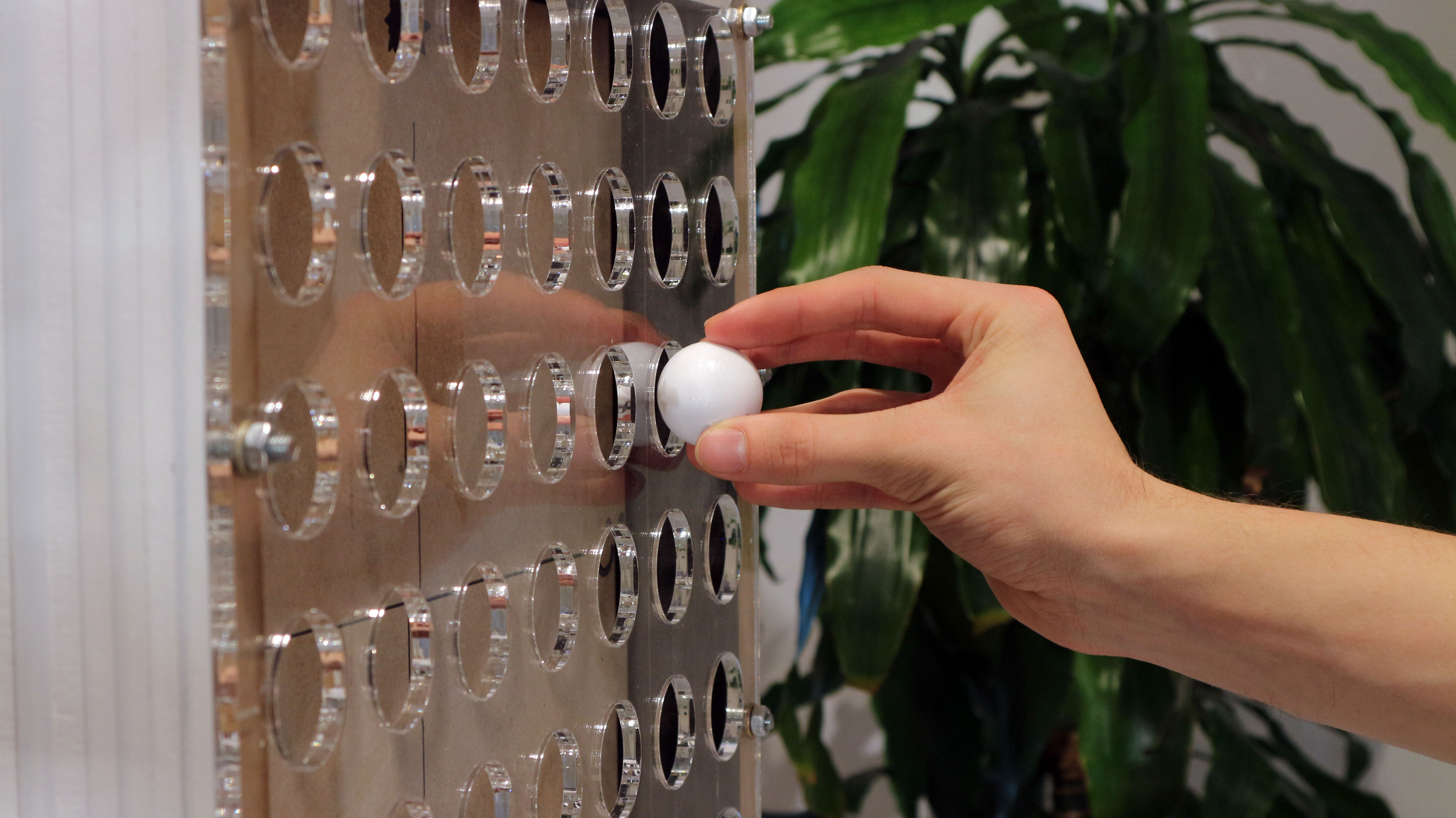
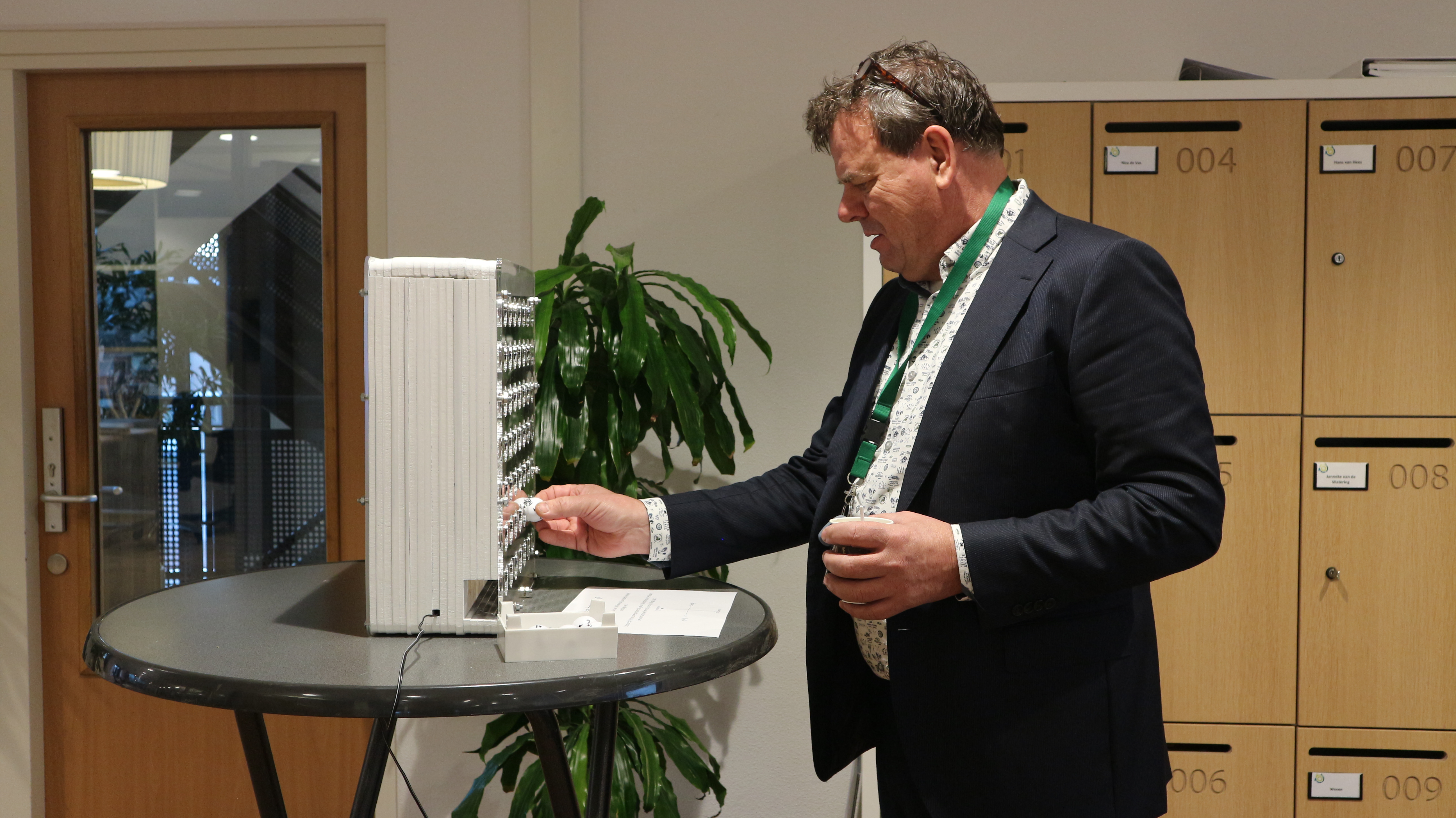

MyShare aims to provide insight in work-related stress in a concrete, low-threshold, and playful manner.
Measuring and displaying the collective stress of the workspace anonymously and in real-time encourages awareness, reflection, and discussion of stress amongst colleagues. User evaluation highlights the value of MyShare as a feedback tool for supervisors by displaying how stress levels change over time. This is a first step to encourage preventative actions by individual users, as well as medical professionals or supervisors.
Jimmy
Embodied social robotics for unstructured outdoor play.
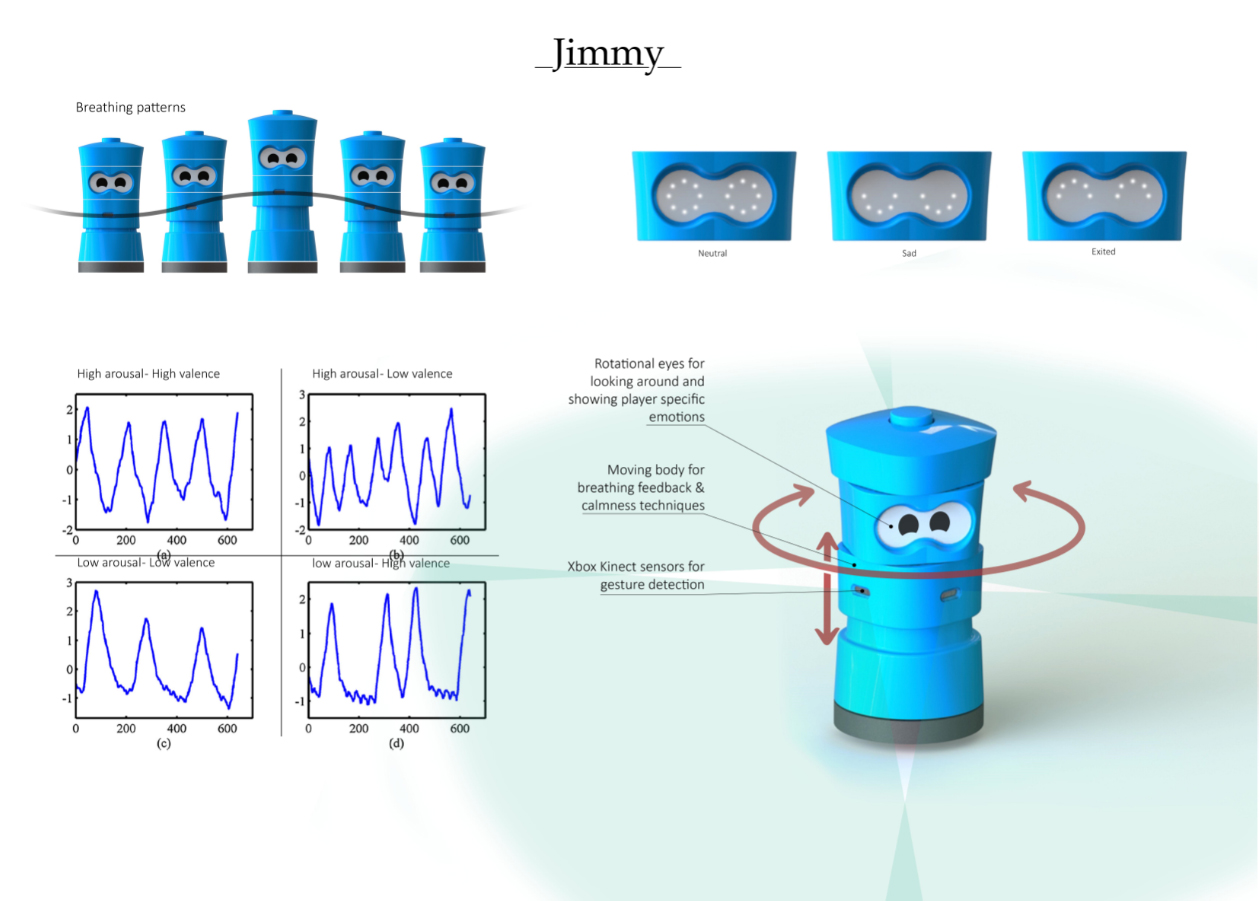
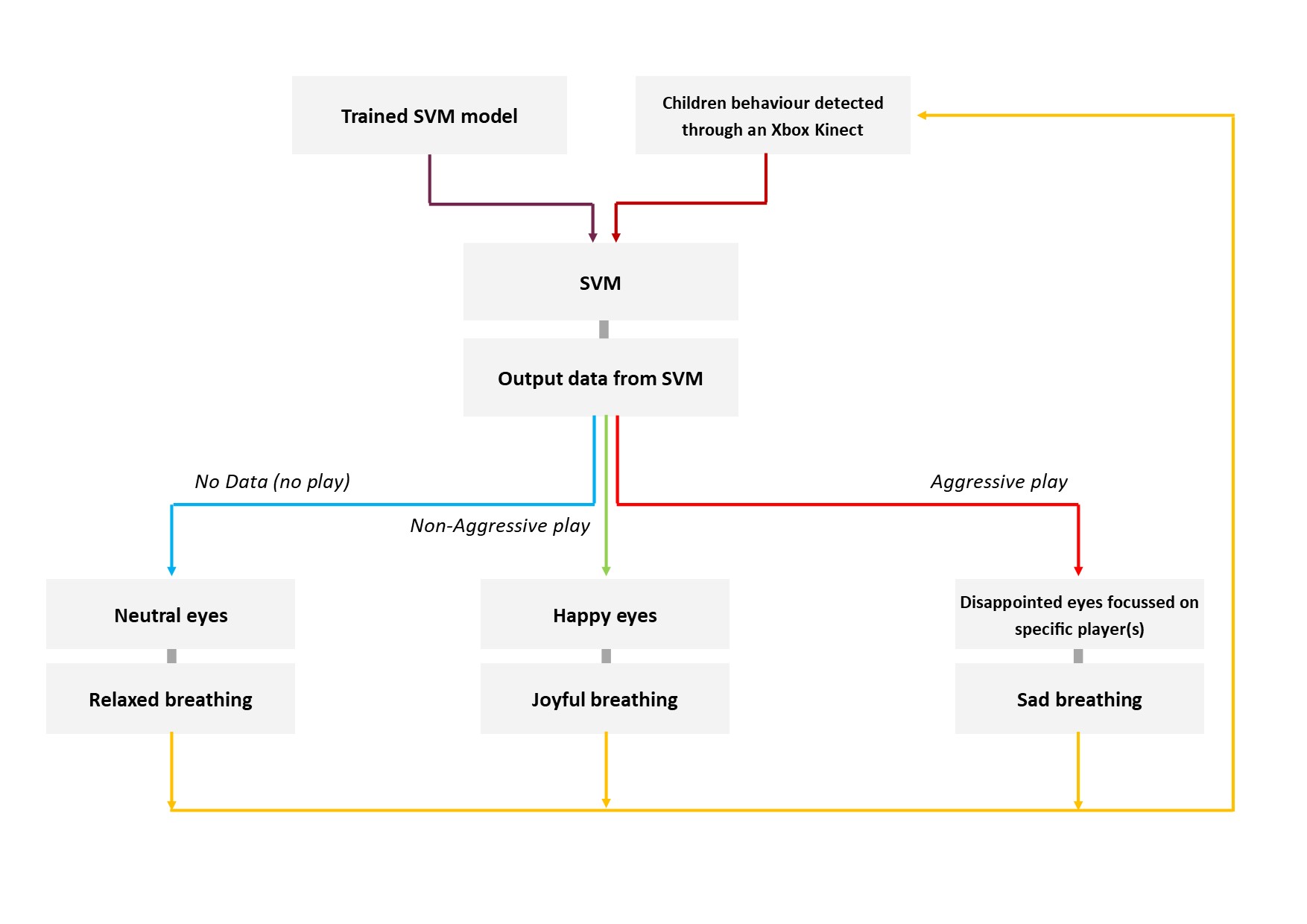
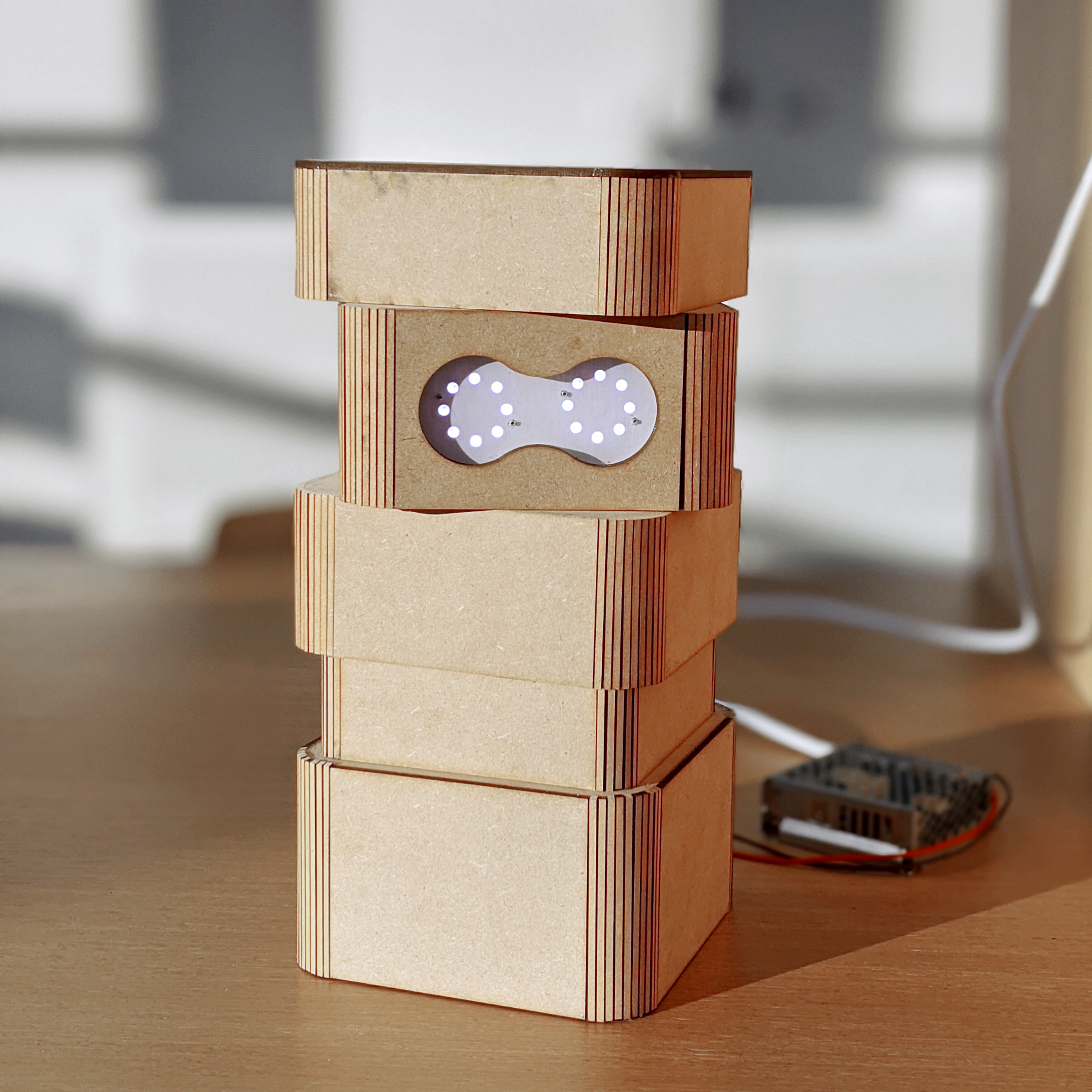
A robot that uses an intelligent learning algorithm to identify social behaviors of young children, and encourages fair play with peers. When aggressive interactions take place, Jimmy intervenes by emphasizing the emotional state of the other playmate, and creates overall awareness about the consequences of (anti-)social behavior.
NAO for Hospital Navigation
Expressing social intelligence and helping visitors find their way.
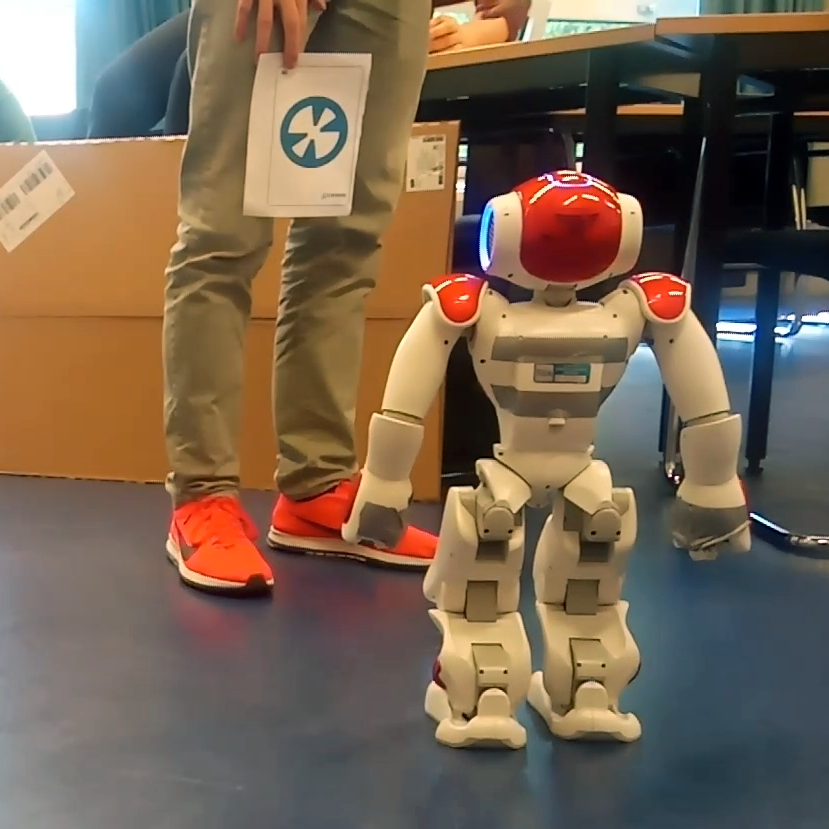
An exercise in human-robot interaction using the NAO robot. The robot serves as a guide for hospital visitors who are not used to interacting with robots or high-tech products. NAO is programmed to express social cues through gestures accompanying verbal interaction, but also through idle motions to simulate its inner state. Using landmark detection and facial recognition, the robot is able to help registered visitors find their way to the right patient.
 Portfolio Merel Vermeeren