

M1.2: Our Mistakes Are Invisible
Despite its great contributions to their autonomy and convenience, mainstream smart technology design often fails to regard blind users in its practices, which results in the creation of inaccessible products and obstacles for these users.
Currently available resources for the technological inclusion of blind people mostly address accessibility as a broader practice applicable to the broader field of design. Therefore, this research project aims to contribute resources specifically for smart technology designers which specifically facilitate a design’s accessibility for blind users.
This study provides insights for these designers into the blind user group’s experiences and habits, and into our own practices that lead to accessibility problems. Combining these two perspectives, it is found that accessible design principles for blind users strongly relate to usability and design principles, and can specifically address weak aspects of a design.
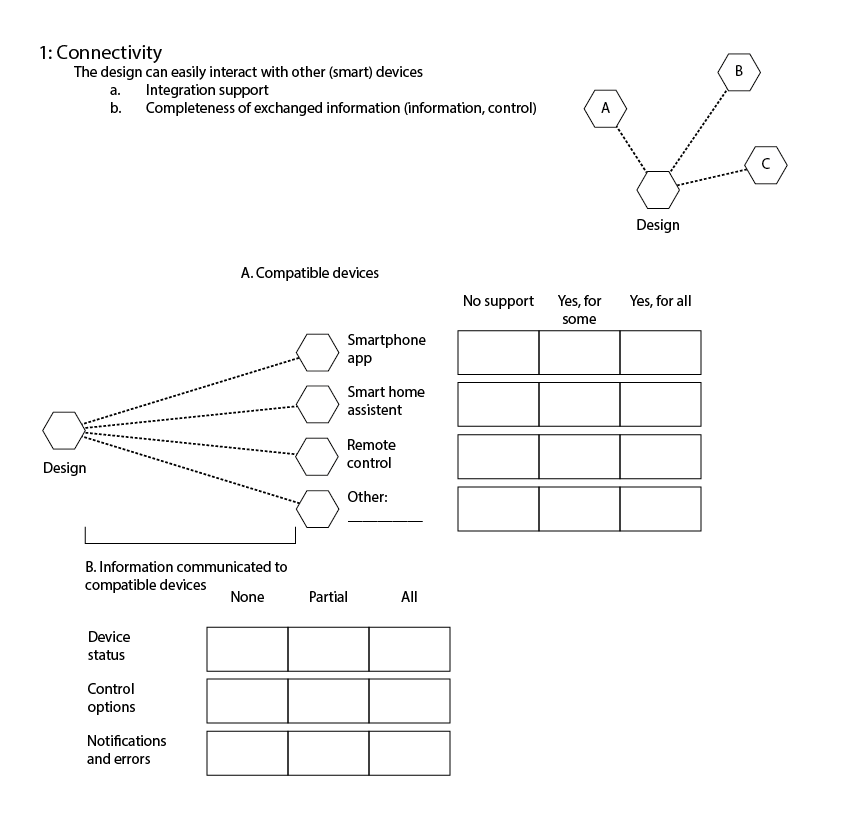
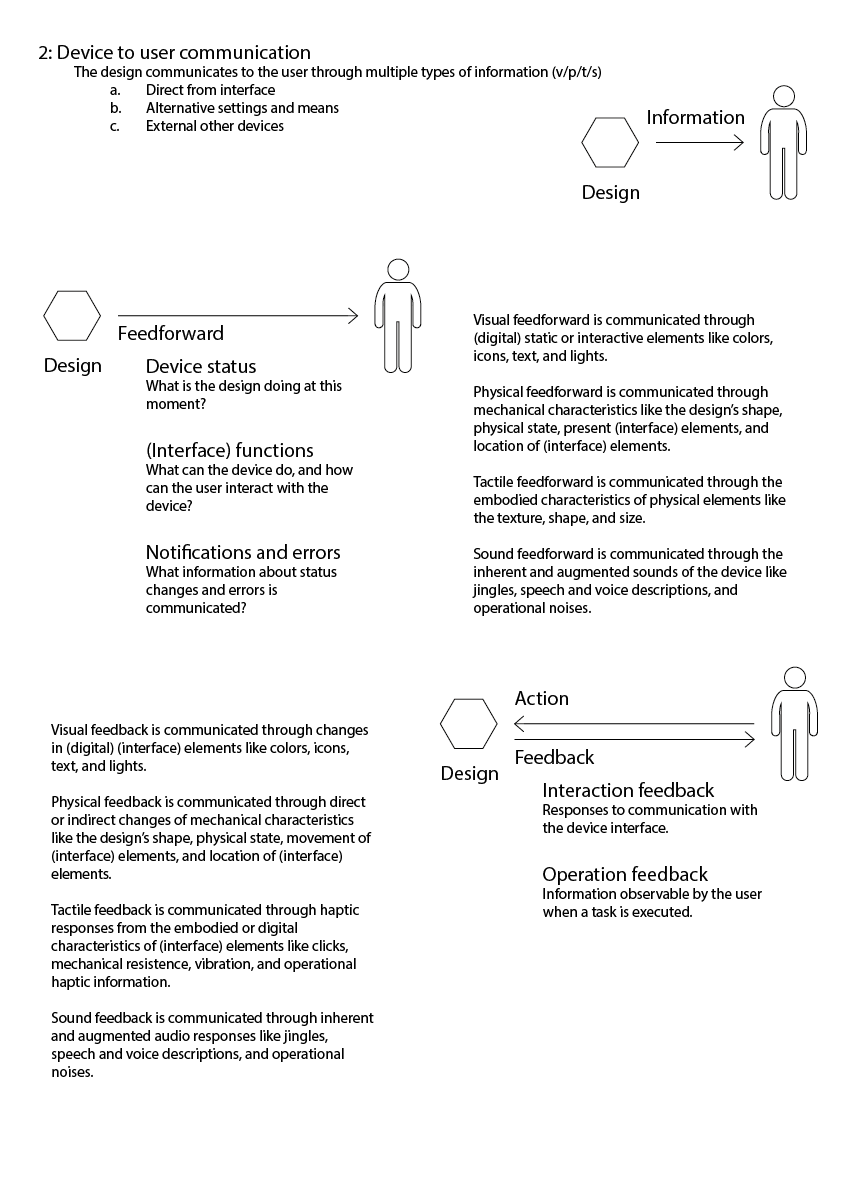
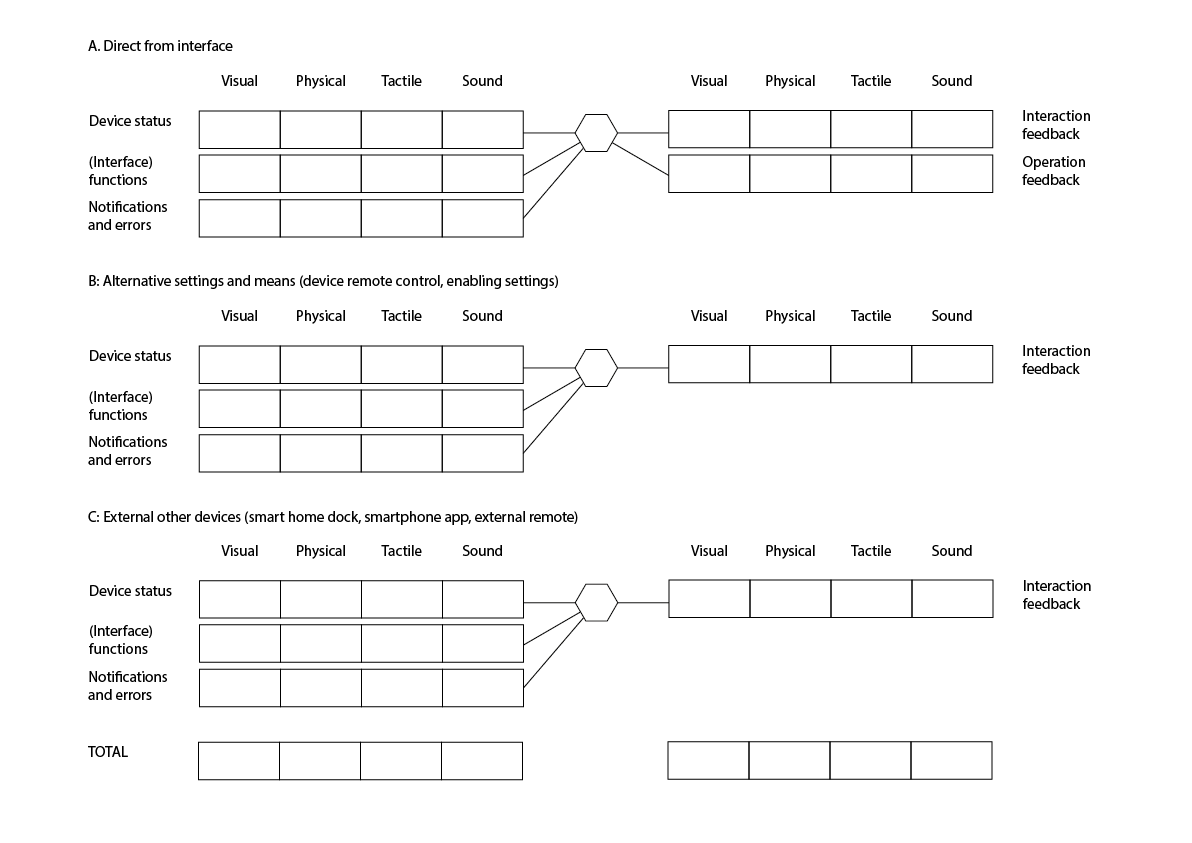
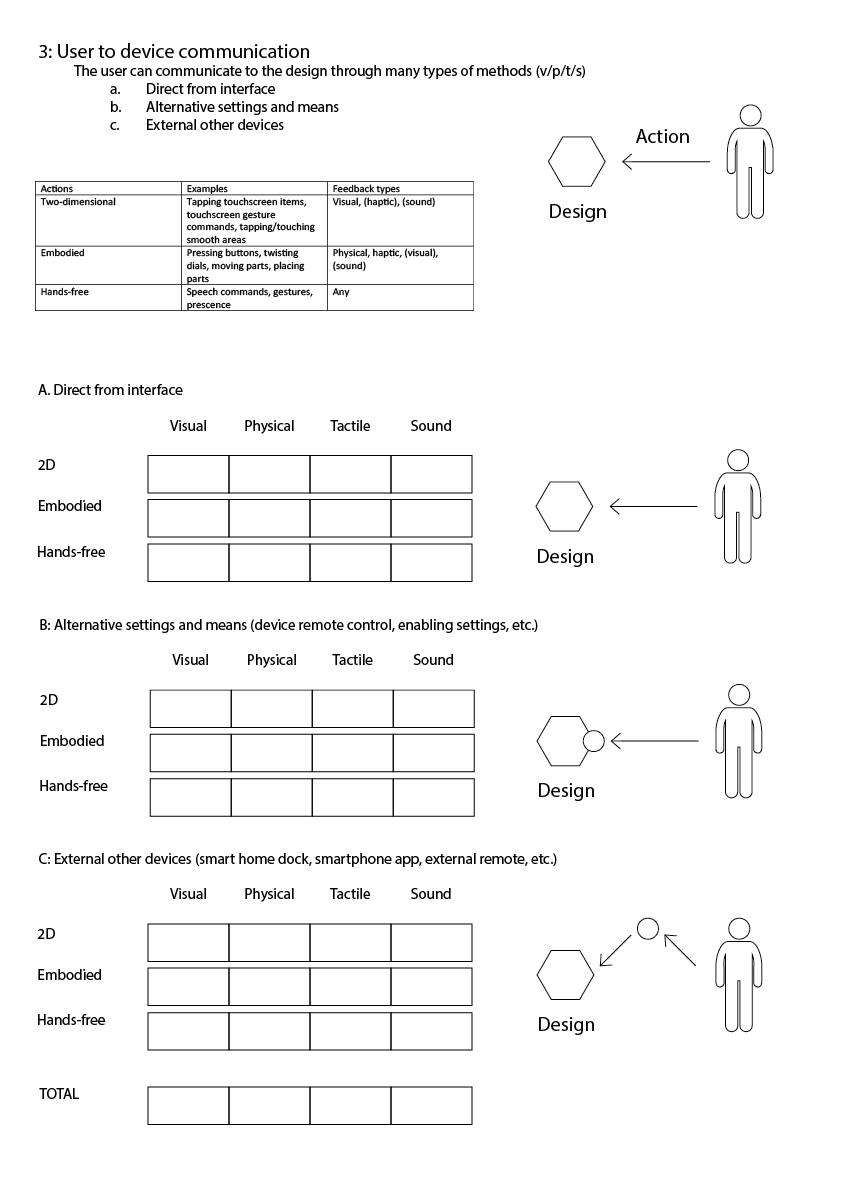
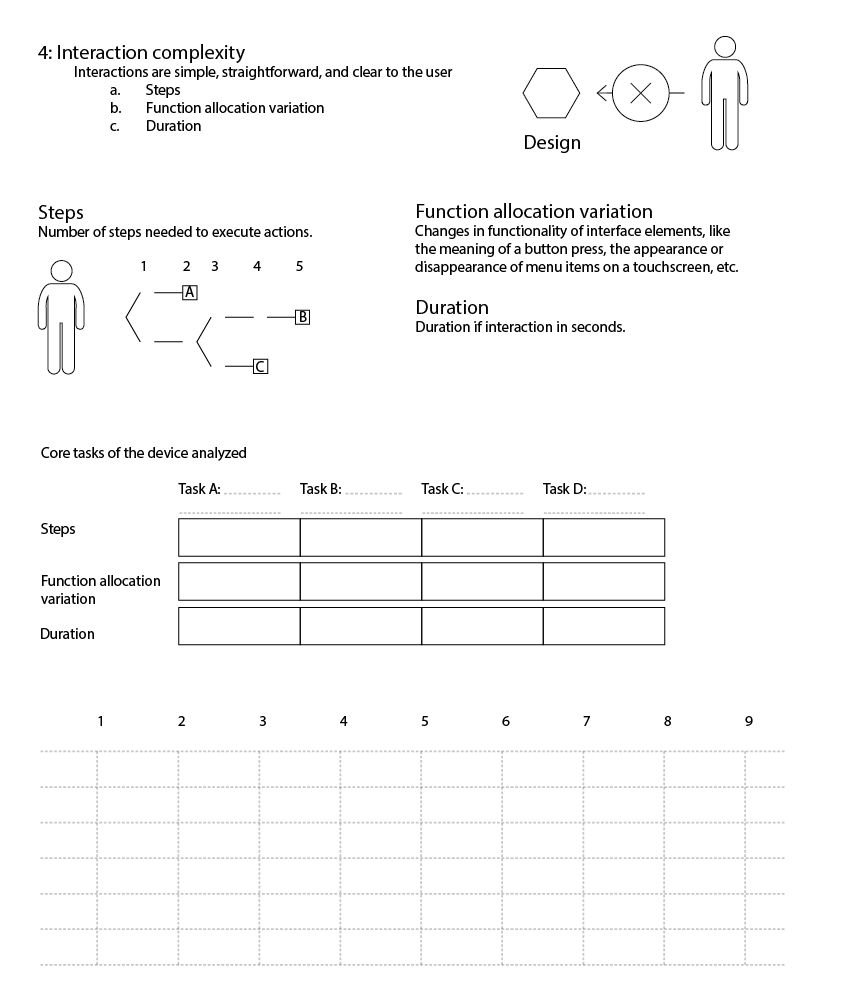
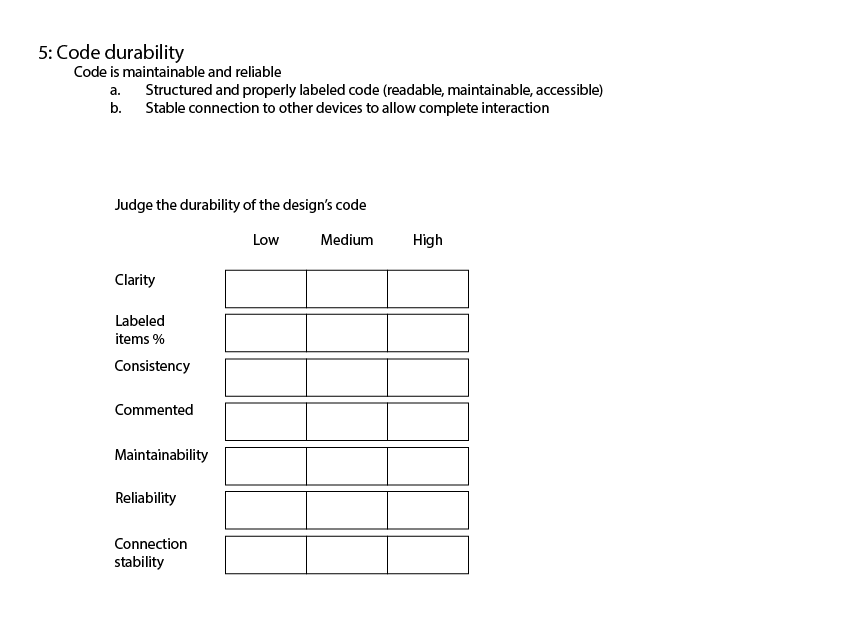
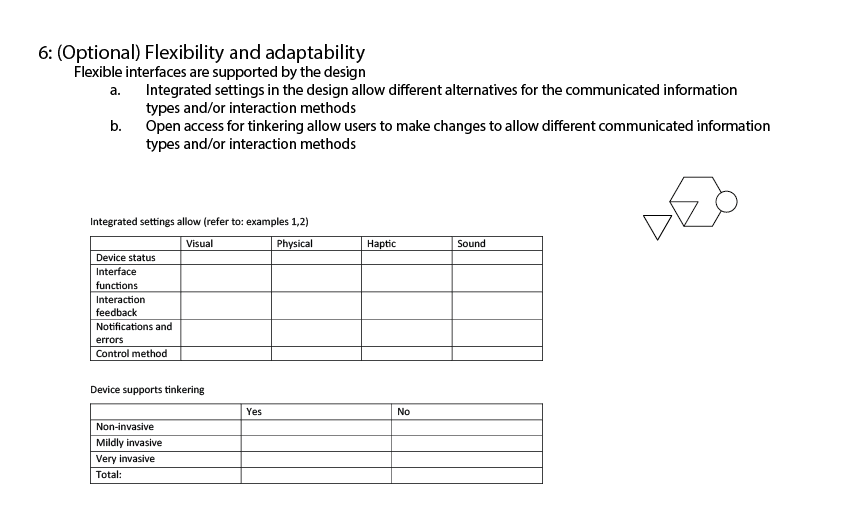
This results in the creation of a tool for designers that facilitates the application of these principles through guidelines for a broader user group. The proposed framework helps designers evaluate to what extent their smart technology product meets these guidelines, and serves to identify opportunities for changes to the design.

 Portfolio Merel Vermeeren