User & Society
As a designer it is important to understand how our work can create value and shape the user’s everyday experiences, but on a larger scale we need to understand the sociopolitical, cultural, and ethical impact of our work and vision. User-oriented design and research methodologies allow us to better understand target users and their context. This allows us to identify relevant user needs, create appealing user experiences, shape the habits of users, and create meaningful impact with our work, but also to contribute to a desirable sociological trend and overarching design philosophy.


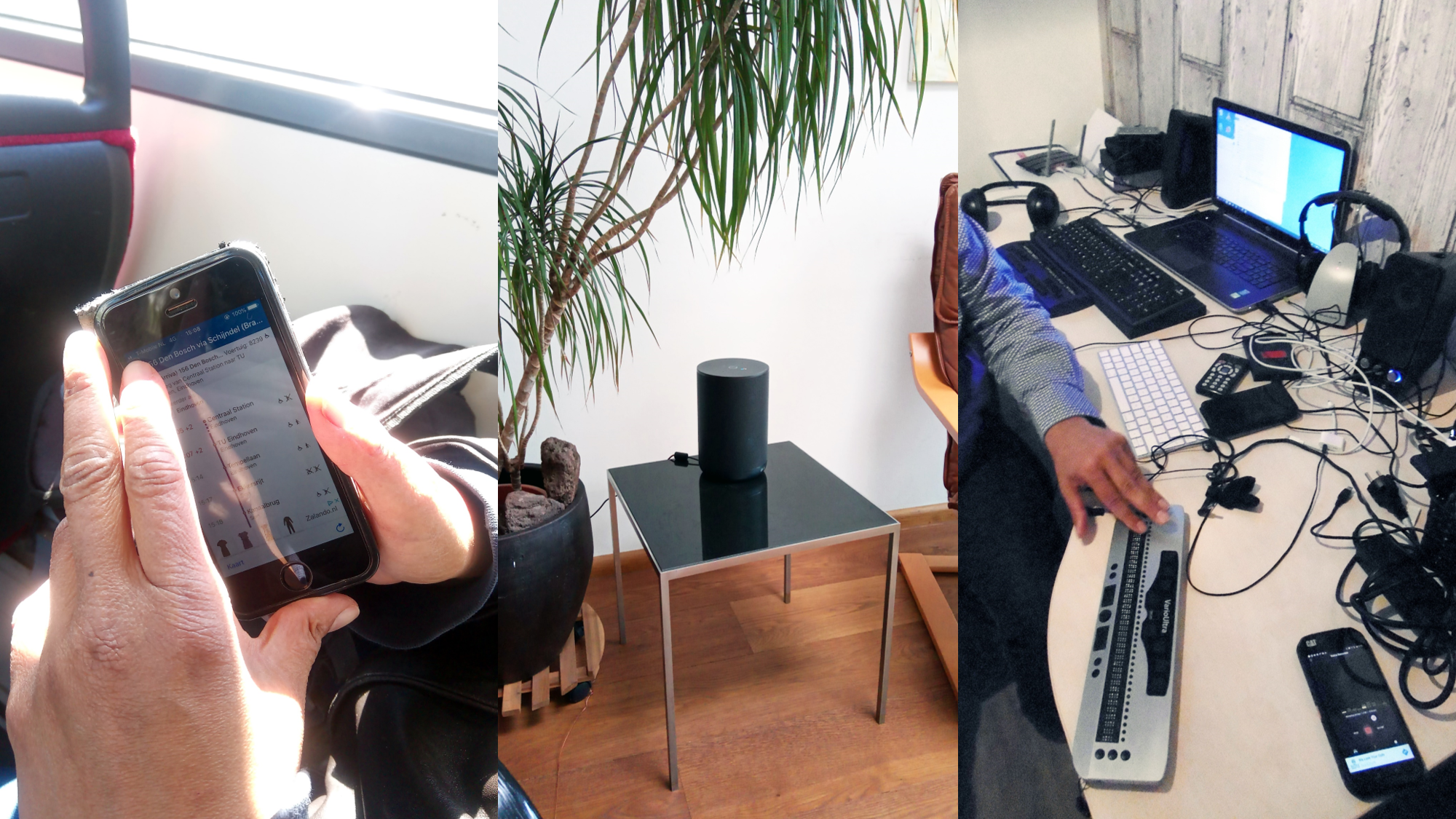
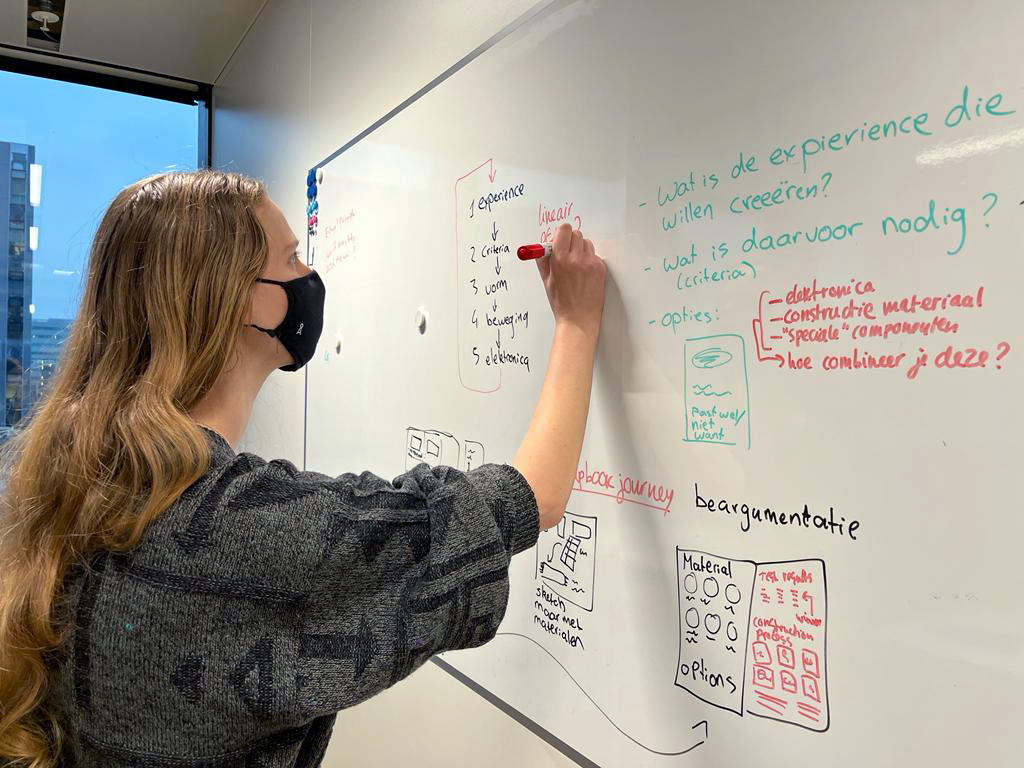

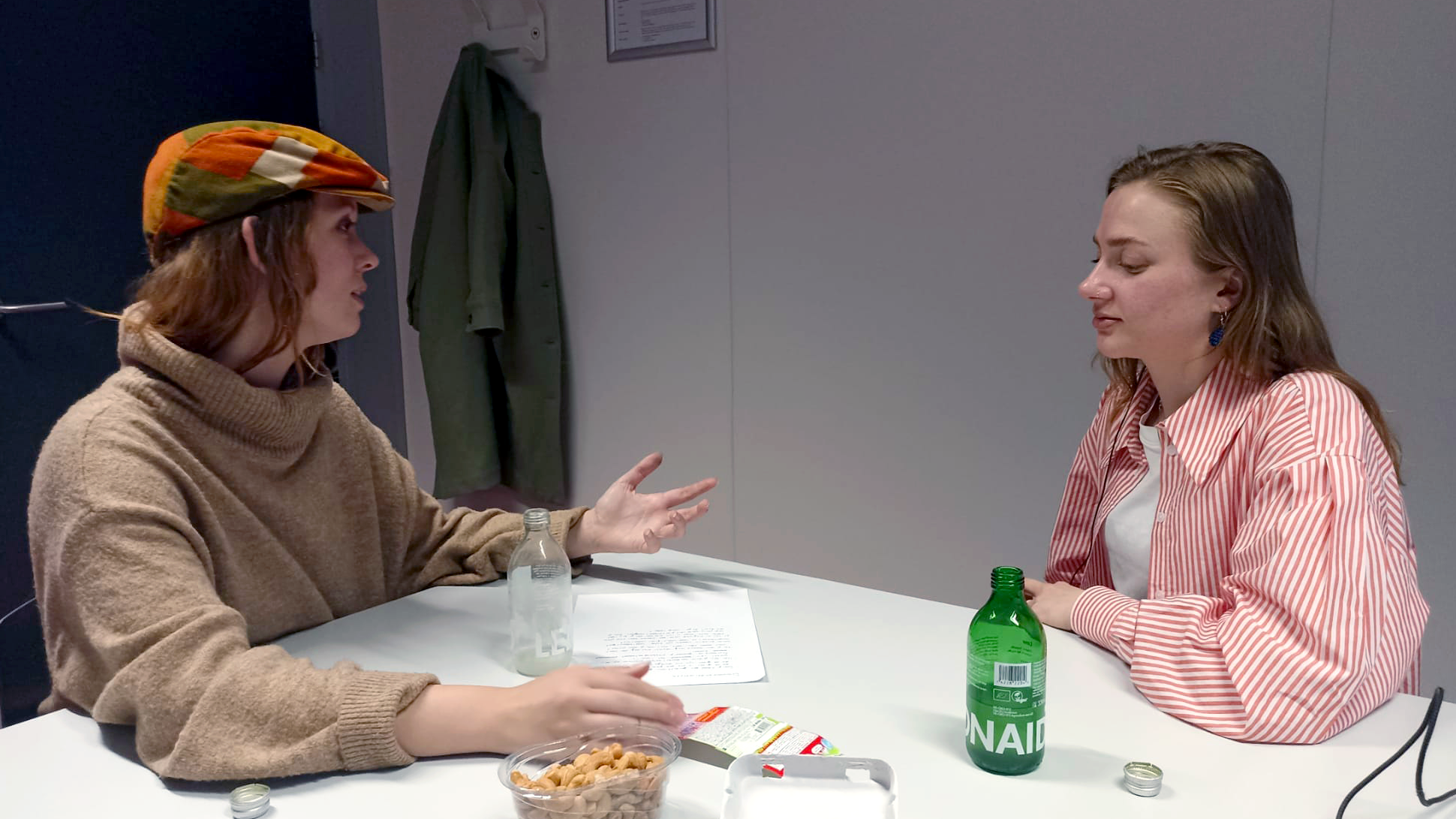
My passion for user-centered design has been an important driver of my development throughout the Master, and most of my work reflects my vision of social inclusion and personally meaningful design. The users I like to work with are often considered vulnerable or non-standard in some way, therefore I find it incredibly important to not only be able to properly understand, but also empathize with these target groups. I found that the best way to do this is by involving users early in the process and thoroughly investigating their experiences and needs through direct feedback and contextual research.
In my Master I have sought out direct feedback from users and stakeholders through interviews, co-creation activities and participatory design methods, contextual observations, concept, interaction, and user experience evaluations in different contexts. I have conducted mostly qualitative user research, as it allows me to gain insight in a variety of topics and themes throughout different stages of the process. The course User Focus Theory and Practice allowed me to assess different UX design methodologies, but also helped me contextualize the user’s perspective as a reflection of current technological and social norms in contrast to designer’s perspective of an envisioned future.
I believe that it is important to thoroughly explore and understand different perspectives of target users and other stakeholders in the design space, but also the societal context in which they exist, and the designer’s impact on these different levels. Insights from courses such as Designing the Future Everyday and Let’s Make Humans Better also thought me the importance of being able to position design in a historical, societal, and cultural context, and pushed me to investigate the role and responsibility of designers as a driver of change.
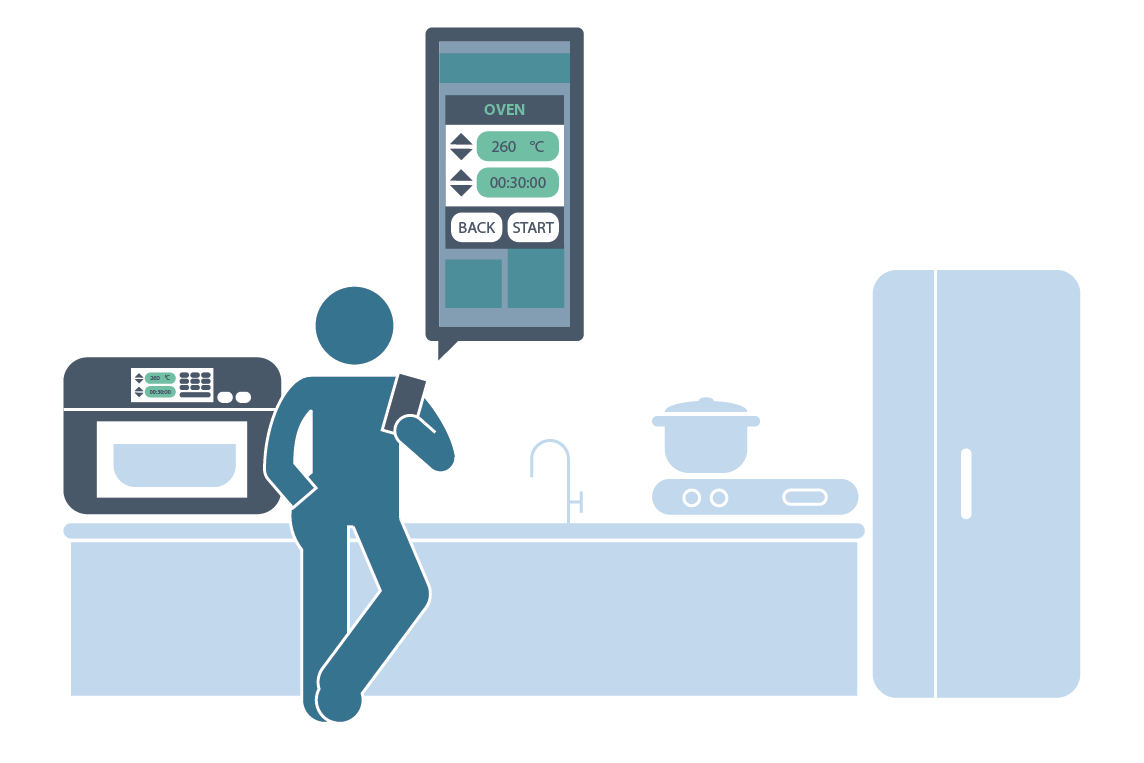
Although my M1.2 and M2.1 projects focused more on designers as target group, these projects aim to contribute to the skills of designers to better understand the perspective and needs of the target group and social context, and identify obstacles created by current practices and attitudes as design opportunities. In the M1.2 project, the experiences of visually impaired users with smart home technology were used to frame and communicate relevant design practices in the field that are broadly applicable for different target demographics. These practices embody several UX and usability design principles, such as rich interaction, adaptive or personalized interfaces, streamlined communication, and interoperable smart devices, and facilitate inherent accessibility as an aspect of user experience design. In the M2.1 project, the role of the designer was explored in relation to health-related stigma and aimed to create awareness of an often overlooked issue disabled and chronically ill target groups deal with, and frames it in as a user need and design opportunity that designers can work with. This resulted in a translation of the sociological principles of health-related stigma and normalizations strategies into the language of designers, framing the desire for normalization and acceptance of disability as a user need and societal trend in context of the design space.
In my M2.2 project I have again taken a user-oriented approach and aimed to seek out direct feedback from users and other stakeholders throughout the process through a variety of methods. For example, as part of my contextual user research I conducted interviews with target users to supplement and frame insights, as part of my research about trends and industry practices I approached industry stakeholders to supplement and frame insights, and I conducted quantitative and qualitative user evaluations of the concept prototypes and a co-creation activity with users and bystanders. This approach helped me to understand each group’s perspective on the small scale, and switch between their perspectives, my own perspective as a designer, and the perspective of developments on a larger societal scale.
From a user perspective, the outcome creates a meaningful user experience and helps users cope with a very specific and tangible problem they face in everyday life. From a design perspective, this project explored the broader social context and impact of design in relation to the stigma of hearing aids and provides a concrete example of normalization strategies in a design application. On a larger societal scale, it contributes to upcoming trends of a political and industry push to re-frame and de-stigmatize the image of hearing aids, and of taking a more UX-oriented approach to the design of assistive devices.
Creativity & Aesthetics
To me, this competency is about the designer’s ability to move the design process forward in a valuable manner by using the right tool for the right job: being able to employ different relevant creativity strategies for ideation, investigating new and familiar material properties and interactions for concept and prototype development, and evaluating their work from the standpoints of formal knowledge, industry practices and their personal expertise. Furthermore, it is important to communicate their ideas to others through an appropriate visual language.



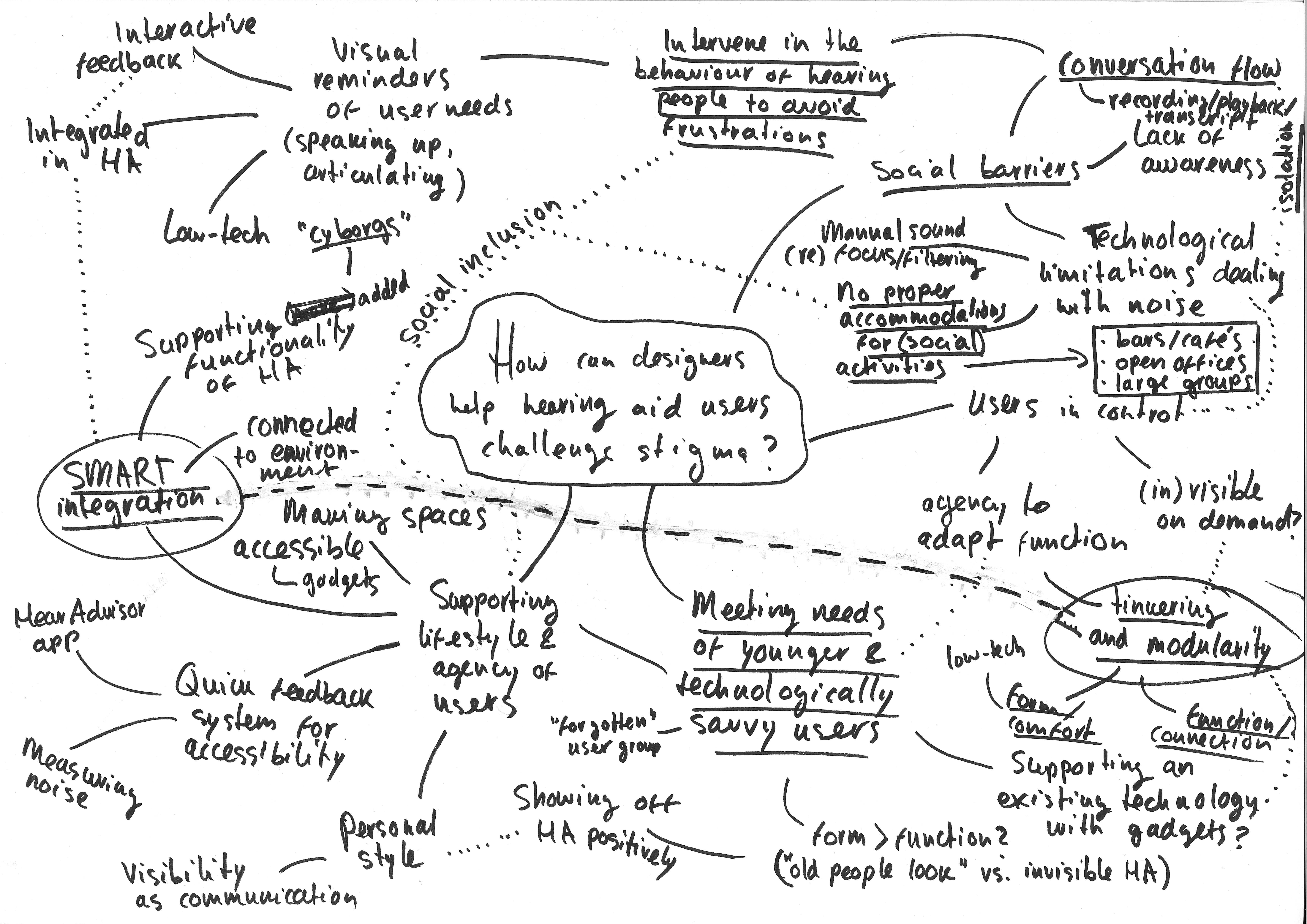
As a designer, creativity has always seemed like an implicit skill that is essential to our work yet difficult to define on its own. Many professionals vaguely describe themselves as “creative”, implying a static personality trait rather than a demonstrable ability one can develop.
I believe the designer’s creativity is in part demonstrated by our ability to apply creative practices in a deliberate and valuable manner in a reflective transformative design process, allowing enough flexibility to incorporate new insights and opportunities.
Throughout my Master I have used and familiarized myself with a wide array of creativity strategies and techniques to structure information, generate out-of-the-box ideas, evaluate them critically, and communicate them to others in a useful and understandable manner. This has given me the tools and experience to guide my design process towards a satisfying outcome. As I am naturally inclined to conduct broad and in-depth research when I start a new project, I have learnt to employ methods to help me make sense of the large amount of information I collect, allowing me to identify opportunities, find connections, and generate new ideas. I believe my main strength lies in exploration and ideation, as this approach allows me to generate and evaluate a large variety of insights, ideas, and concepts. Furthermore, I find it useful to approach design from different perspectives throughout the process, switching between myself, different stakeholders, and developments in the larger social context, which allows me to assess design opportunities, thoroughly reflect on ideas and decisions, and create value in multiple contexts. For example, in my M2.1 project I have continuously switched between the perspective and role of the designer, user, and bystander in the context of health-related stigma, and investigated how they influence each other’s experiences and larger societal trends, which allowed me to identify opportunities for normalization through design that promotes different behaviors and presentation of disability.
At the start of my Master program, I had little interest aesthetics, as I believed the practical value of a design was more important and in line with my vision. However, I became more aware that the two are heavily interconnected, as I began to better understand how materiality, form, and visual properties shape the look and feel, user experience, and interaction. My UX manifesto therefore incorporates both aesthetic and functional qualities based on rich interaction principles, and I became more interested in exploring materials, interactions, and visual elements that could create a satisfying user experience.
At the start of my Master I had some trouble explaining and communicating my ideas in a clear and straightforward manner. I therefore set out to improve my communication with stakeholders and assessors through structuring and framing information, and learnt to choose appropriate visual language for a project to create a consistent and clear visual style for posters, diagrams, prototypes, documents, presentations, and other materials. This also allowed me to develop a more consistent personal visual style to use as a basis for different assignments.
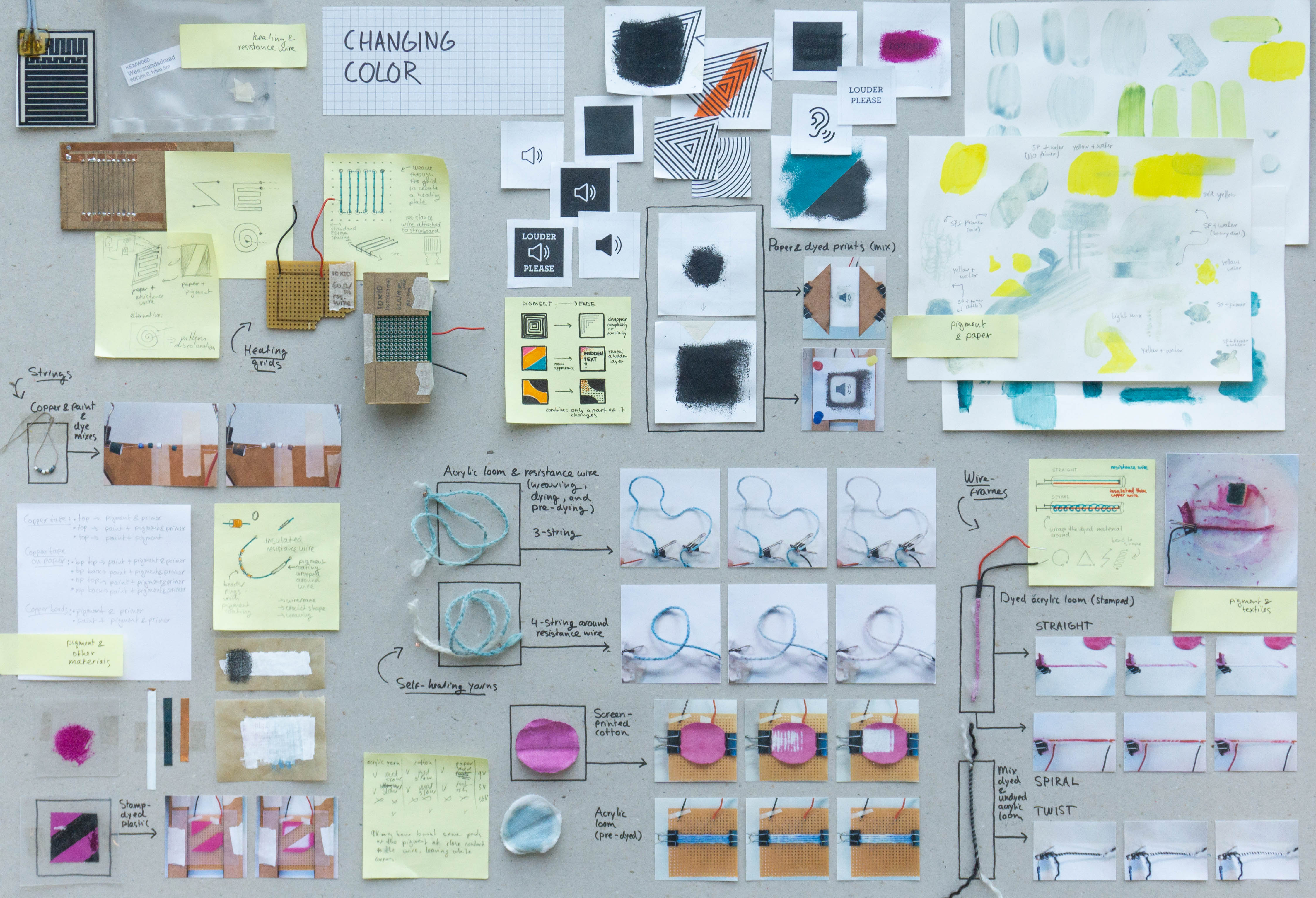
In my M2.2 project I decided to switch one of my expertise areas from Technology & Realization to Creativity & Aesthetics, because it was more representative of my development throughout my Master and relevant to the type of design process I wanted to conduct. In both my M2.1 and M2.2 projects I have addressed the relationship between aesthetic properties and stigmatizing design, which pushed me to explore many unfamiliar materials and components different physical and visual properties that could aid in creating a new type of interaction and experience. In my M2.2 project I also took much care investigating the role of material and aesthetic qualities in the social acceptability of wearables, which pushed me to explore interactive design that does not reveal any technological properties. I also came to understand the value of investigating materials and interactions in-depth as a research and ideation activity to generate new insights in de design process.
Business & Entrepreneurship
Designers do not only need to understand the feasible execution of their ideas from a technical standpoint, but also from an industry standpoint.
Furthermore, designers need to align their own process and work with the perspective and philosophy of their prospective client to deliver a satisfying outcome. Throughout the design process it is valuable to involve clients and stakeholders to evaluate decisions and opportunities, manage different needs, and understand project and its goals in the larger industry context. The designer also needs to understand the influence of industry practices, attitudes, and trends on the target user and the larger societal context, and assess their own role in supporting, steering, or challenging them.
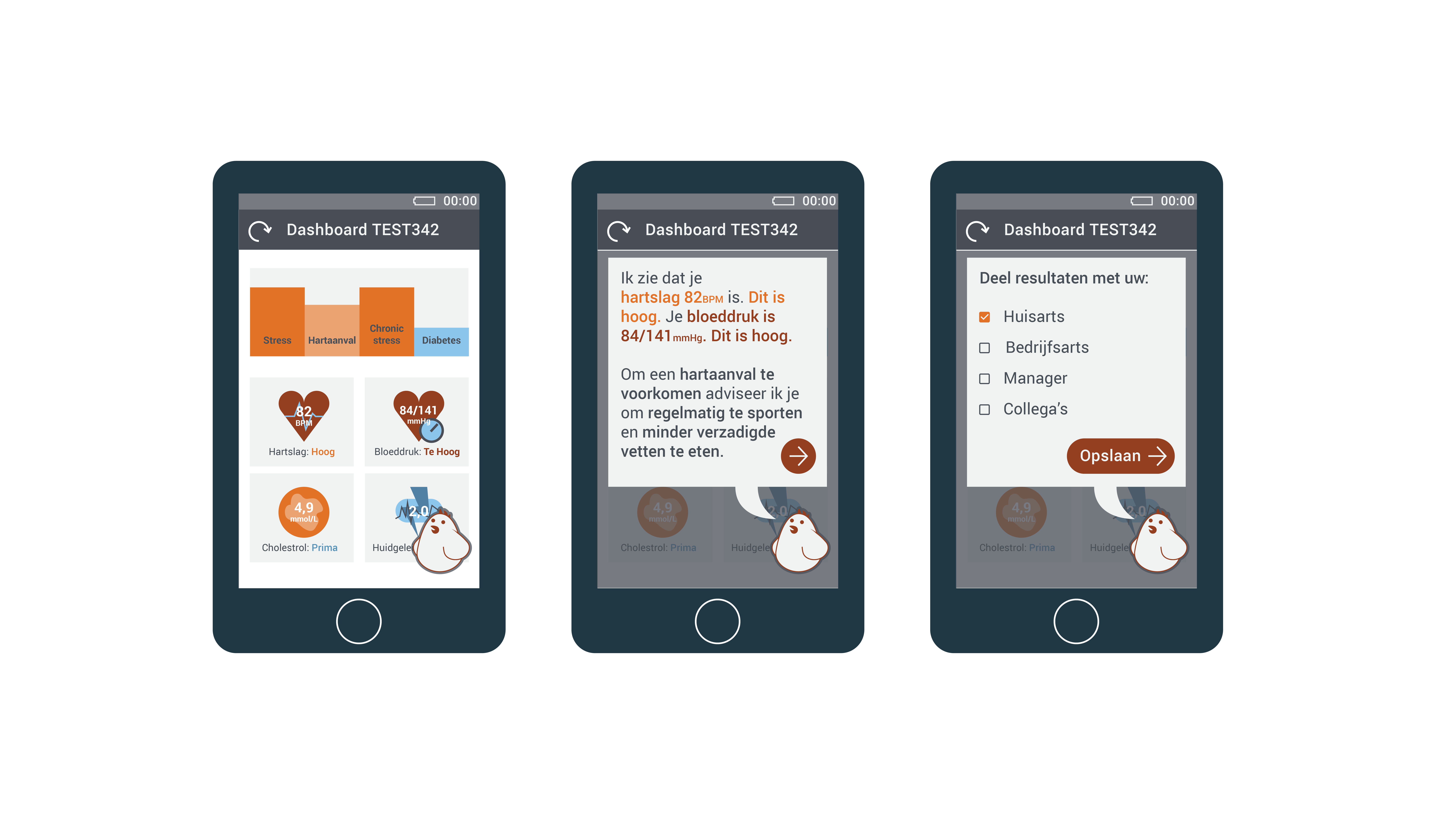

Throughout my Master I have managed several multi-stakeholder processes. To understand the needs of users and industry stakeholders I value their involvement through feedback, collaborations, and participatory design methods, which allows me to learn from experts but also connect to users and stakeholders in the context. Furthermore, I have found that using professional presentations and visuals specifically tailored to the client is a large asset to facilitate effective collaboration.
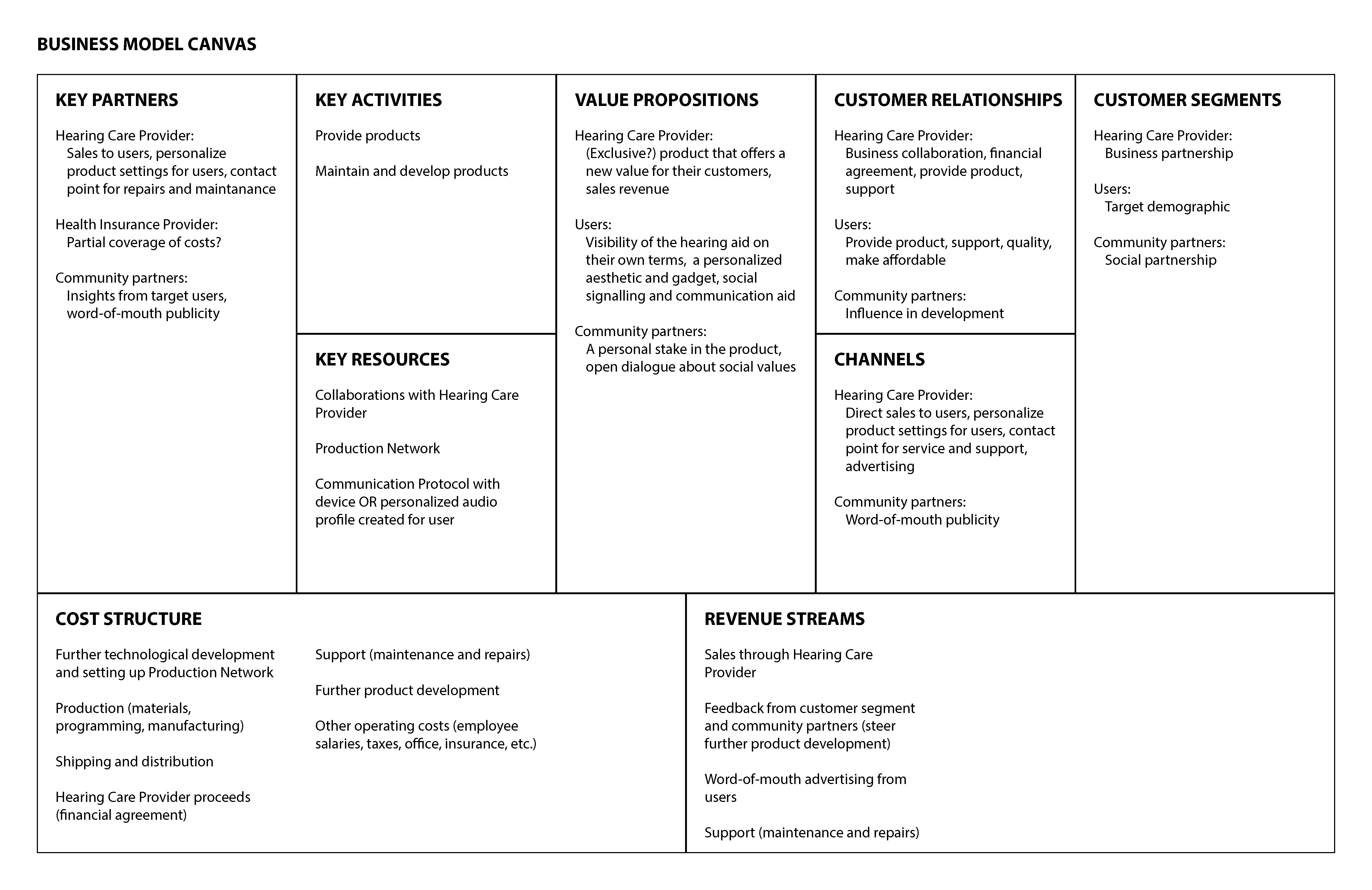
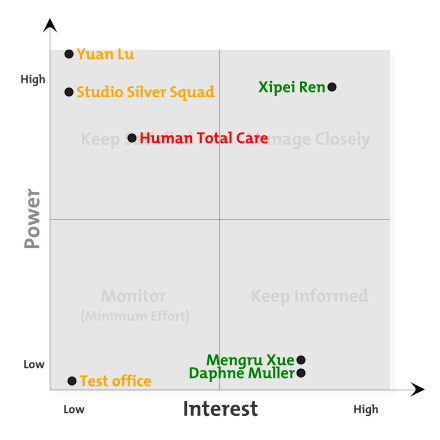
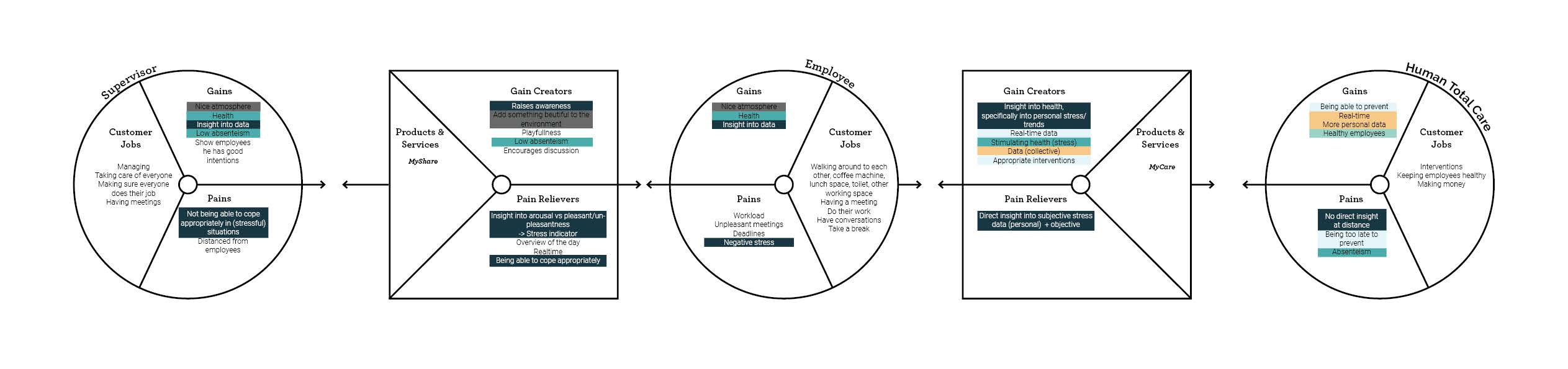
As part of the design process it is important to assess and understand the feasibility of an idea on the social, technology, and industry level. I have found creating industry benchmarks to identify relevant enterprises and products, analyzing the development of market trends, and using tools such as value maps (outlining needs and opportunities), and stakeholder maps (outlining interest and influence over the project), and business model canvases (structure of value creation), makes it easier to place my work in the context of the real world, communicate effectively with industry stakeholders and clients, and find design opportunities in the design space.
This also allows me to assess how current practices, developments, and trends impact target users and the greater social context, and make informed decisions about how a project should contribute, steer, or challenge them to create value on the user and societal level.
I have given much thought to the responsibility of the designer to balance the needs of target users and clients, and the societal harm or benefit of the outcomes. Prioritizing a client’s requirements can negatively impact the target user, contribute to harmful industry practices and trends, and misalign with the designer’s own vision and values, but prioritizing the creation of value for the target user, the societal context, and one’s personal vision can make a project economically unfeasible for the client and incompatible with their business model.
As a designer I have mostly interpreted my role as an advocate for users and facilitator of societal change, which sometimes made it difficult to reconcile these ideals with the economic perspective of a client. However, from my experiences collaborating with industry stakeholders I have found there is room for an open discussion about balancing different needs and values in a project, and the benefits of considering alternative approaches, design requirements, and business strategies that offer them new value creation opportunities and attract new target users.
The M1.1 project is a good example of such a discussion, as an important goal was to convince our client that a user-centered and privacy-centered approach to the project would be more valuable than the data-driven approach they preferred, which required communication and stakeholder management skills to build a constructive partnership where such a discussion is possible.
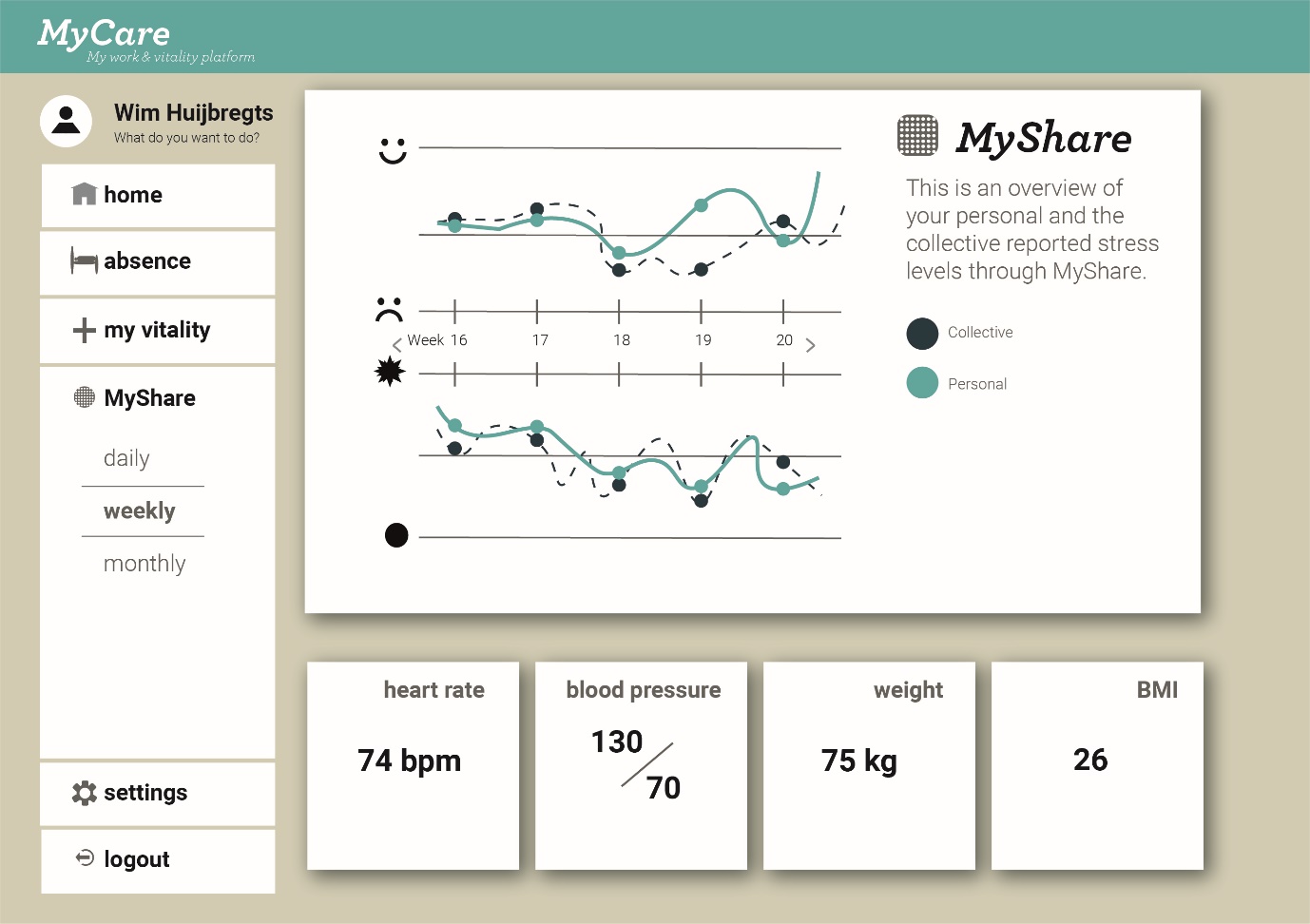
Our group devised a communication strategy to make our argument in a convincing manner that showed them we took their perspective seriously and understood their needs. After getting to know the client through meetings and collaborative activities, we presented multiple solutions to the design brief representing different approaches in an argumentative structure, weighing gains and pains to help them understand our decision making process. Our argumentation for taking a user-centered approach also consisted of information from lawmakers and societal trends, combined with quotes and insights from a short user study using a Showroom design approach which highlighted how their original requirements could negatively impact the concept’s appeal and usability. We outlined the legal, security, and financial risks of the collection and storage of the required data, and proposed some alternative datasets and collection methods that were less costly and circumvented these risks, and how those could be used in their digital platform. This allowed us to open a productive discussion and come to a compromise that allowed us to go in a direction that respects the user’s data and privacy while still meeting the client’s requirements of collecting and visualizing user data.
In my M2.2 project I intended to collaborate closely with an industry partner in a client role and engage in discussion about the opportunity to expand their practices. In my report I wrote about the priorities misaligning too much for such a collaboration, although it was found that an awareness is growing within the industry that their approach creates specific problems this project was aiming to challenge. I therefore investigated the industry perspective by conducting a business case study and sought out feedback from an industry stakeholder. I am confident that in the future I will be able to collaborate clients who are interested in exploring alternative business approaches, which allow new opportunities for design that evaluates industry practices.
Math, Data, & Computing
Designers need to be able to structure and analyze different types of data to identify patterns or trends, make relevant observations, and validate decisions and insights. Furthermore, we need to be able to visualize data in a meaningful and understandable way for ourselves and others. I also believe it is important to make informed decisions about data collection, weighing the practical and ethical risks with the benefits.
As a user-centered designer it is important to me to conduct qualitative research to help me better understand the user and context. Because I am passionate about thoroughly exploring the perspective of the user, this type of research allows me to incorporate this value in my process in a structured and deliberate manner. Quantitative user research data is mainly used to supplement and contextualize qualitative data in my process.
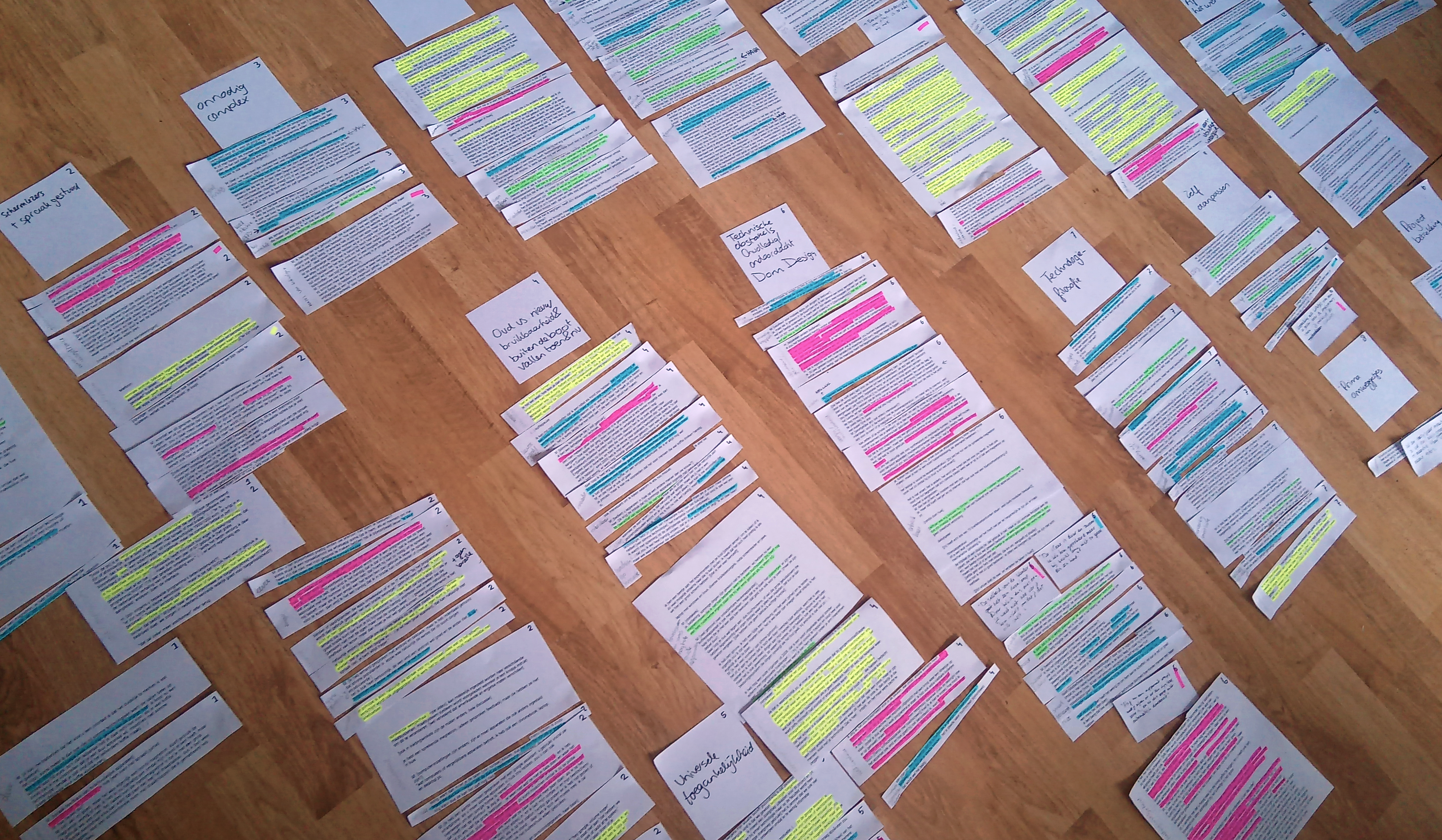
In my Master projects I have often sought out direct feedback from users throughout the process in the form of interviews, co-creation activities, and contextual observations. I gained much experience working with large amounts of qualitative data by processing interview transcriptions. As these interviews are generally lengthy, semi-structured, and contain a lot of information, it is necessary to first sort, label, and anonymize data and filter relevant quotes before conducting a thematic analysis to further structure the data and gain relevant insights. Then, findings need to be interpreted and evaluated in relation to other (user and literature) research, which requires a critical and analytical mindset.
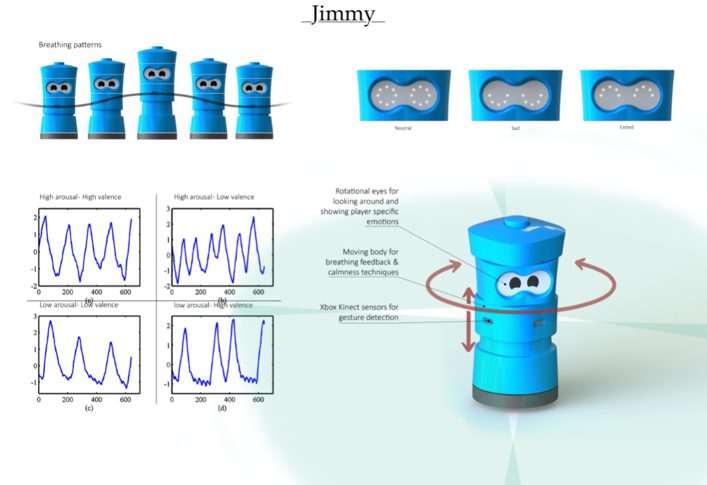
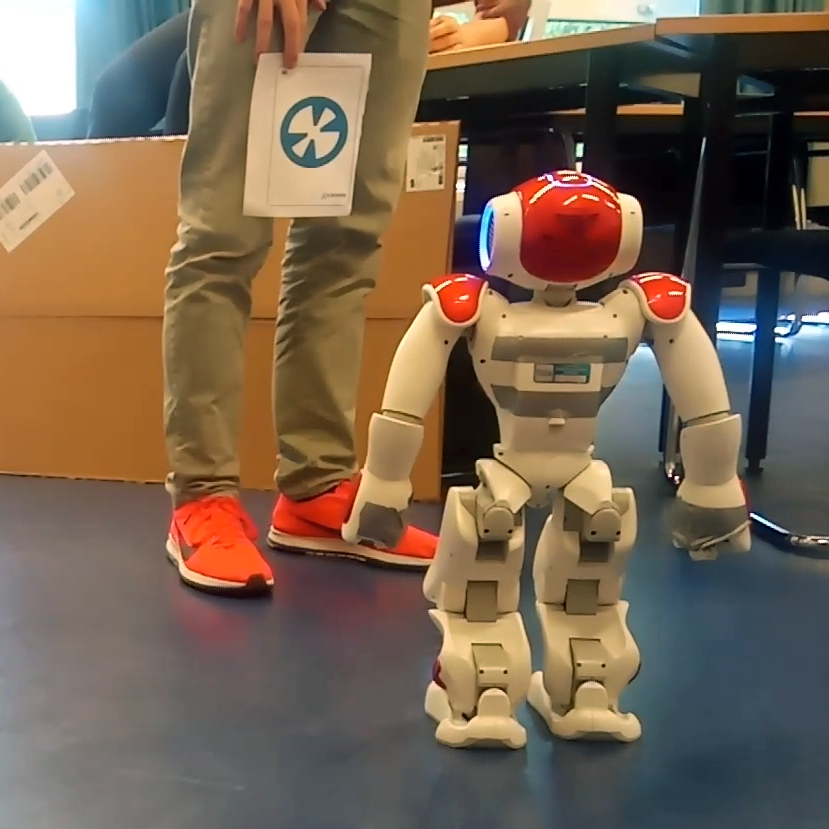
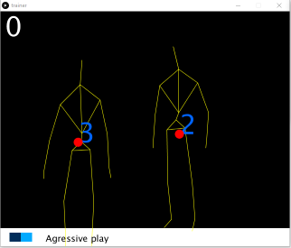
Besides user research, data has played a role in prototyping and concept development. I was able to gain experience collecting, processing, and interpreting sensor data to program and fine-tune the behavior several responsive prototypes, as training data for Jimmy’s machine learning algorithm, and as input for obstacle recognition functions of the NAO robot. In the M1.2 project I took a more theoretical approach and analyzed how devices, apps, and smart systems interpret and communicate data to pinpoint missing information and coding practices that affect accessibility and smart system integration, translated my insights into straightforward requirements based on established design principles, and created a framework for composing and assessing them in concept development.
However, I believe as designers it is important to critically assess what types of data we should collect from users and for which purpose. For example, in the M1.1 project, the client’s push to collect sensitive and personally identifiable data was not only an obstacle due to ethical and safety concerns, but also because the target user felt deterred to share such information in a workplace environment. My team felt strongly motivated to convince the client of an anonymous, collective, and embodied approach to data collection and visualization. This also allowed us to explore more abstract and playful data visualizations to communicate insights about collective stress over a longer period of time and incorporate behavioral intervention into the data collection process, ultimately creating a more valuable user experience by collecting smaller datasets.
In my M2.2 project I worked with large amounts of qualitative data from user tests throughout the process, which again made me assess my choices regarding the collection and processing of sensitive and personal data. Although the research did not cover any particularly vulnerable information the social discrimination of hearing aid users would be addressed in some form, which could be a sensitive subject for the participants and should be accounted for in the research. Previous experience also taught me that retaining a certain level of anonymity and anonymization in the data collection process can avoid many risks associated with storing and processing personally identifiable data, but also makes it easier to assess which data is relevant to collect and analyze. For example, a participant’s gender, age group, and hearing aid use were relevant to the questionnaire research because it allowed a comparison between different demographics of users and bystanders with little personally identifiable information.
Technology & Realization
Our skillset allows us to create appropriate prototypes for the evaluation of our ideas and concepts, ranging from low-fidelity prototypes for quick form, interaction, or function evaluations, to high-fidelity prototypes with interactive properties for a more representative evaluation of the concept’s user experience in practice.
Furthermore, to create feasible outcomes and collaborate effectively with other experts, like engineers and developers, we need to be aware of current technological capabilities, material properties, and production methods. We also need to be aware of past, current, and anticipated technological developments to investigate their possible design applications.

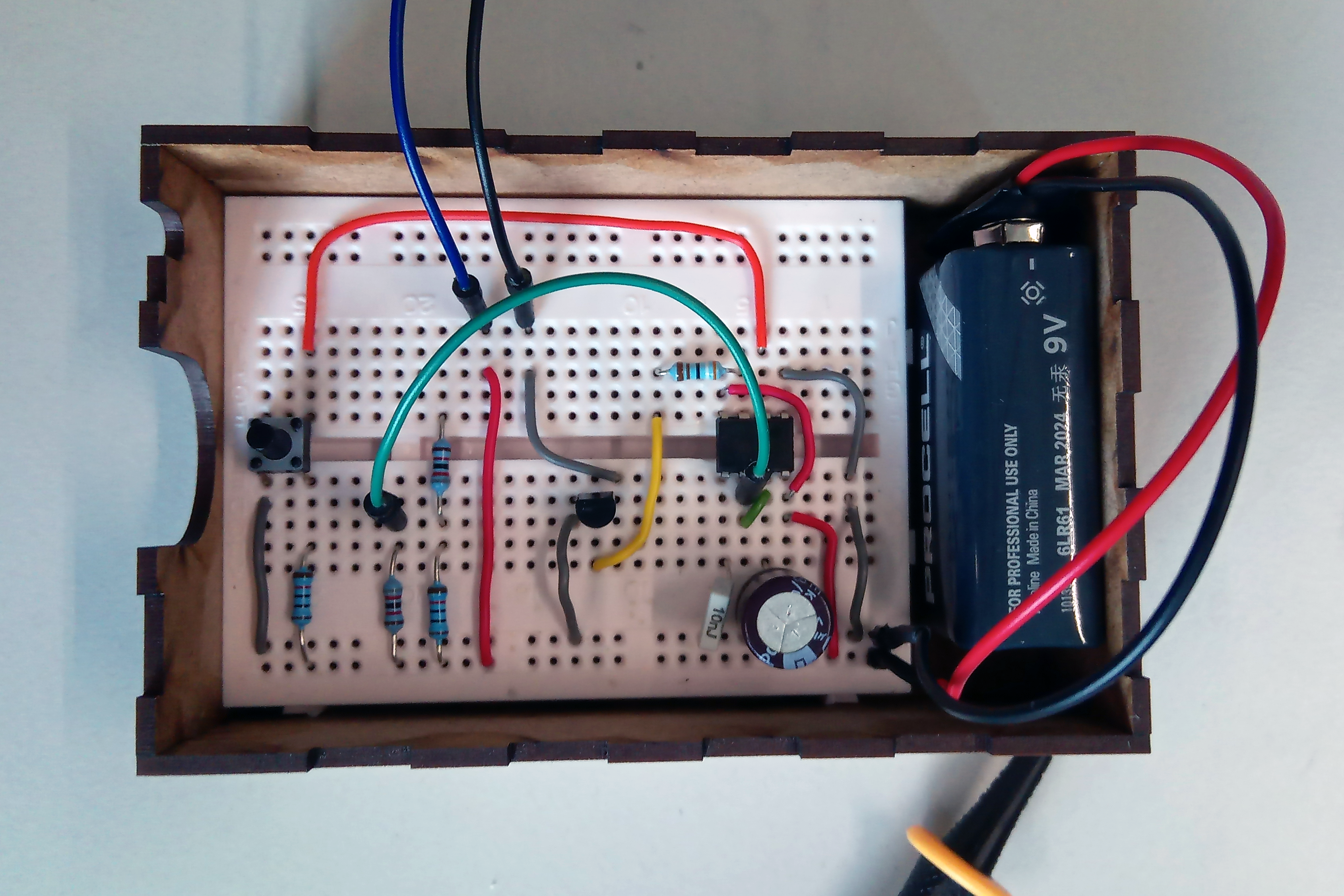
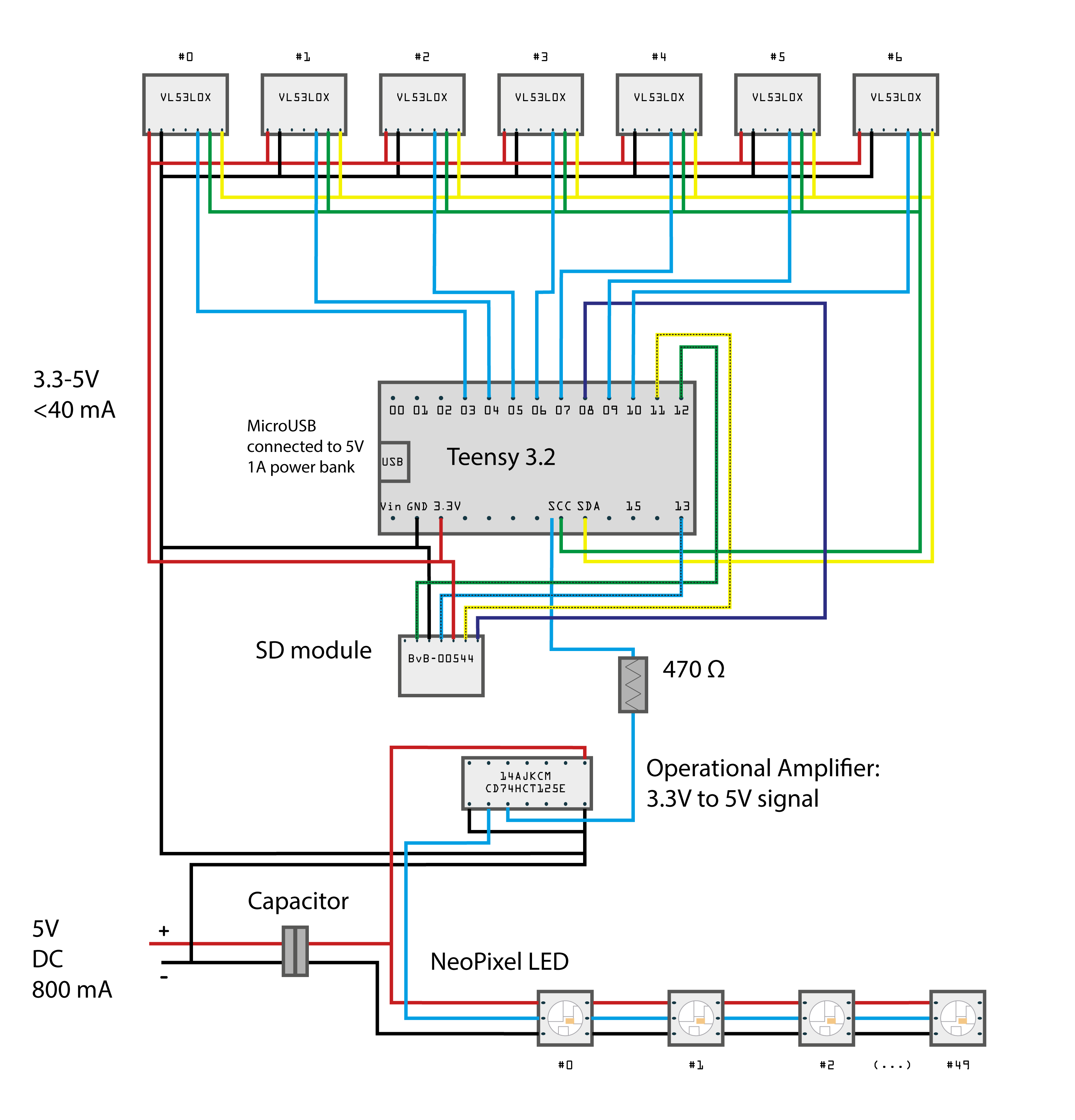
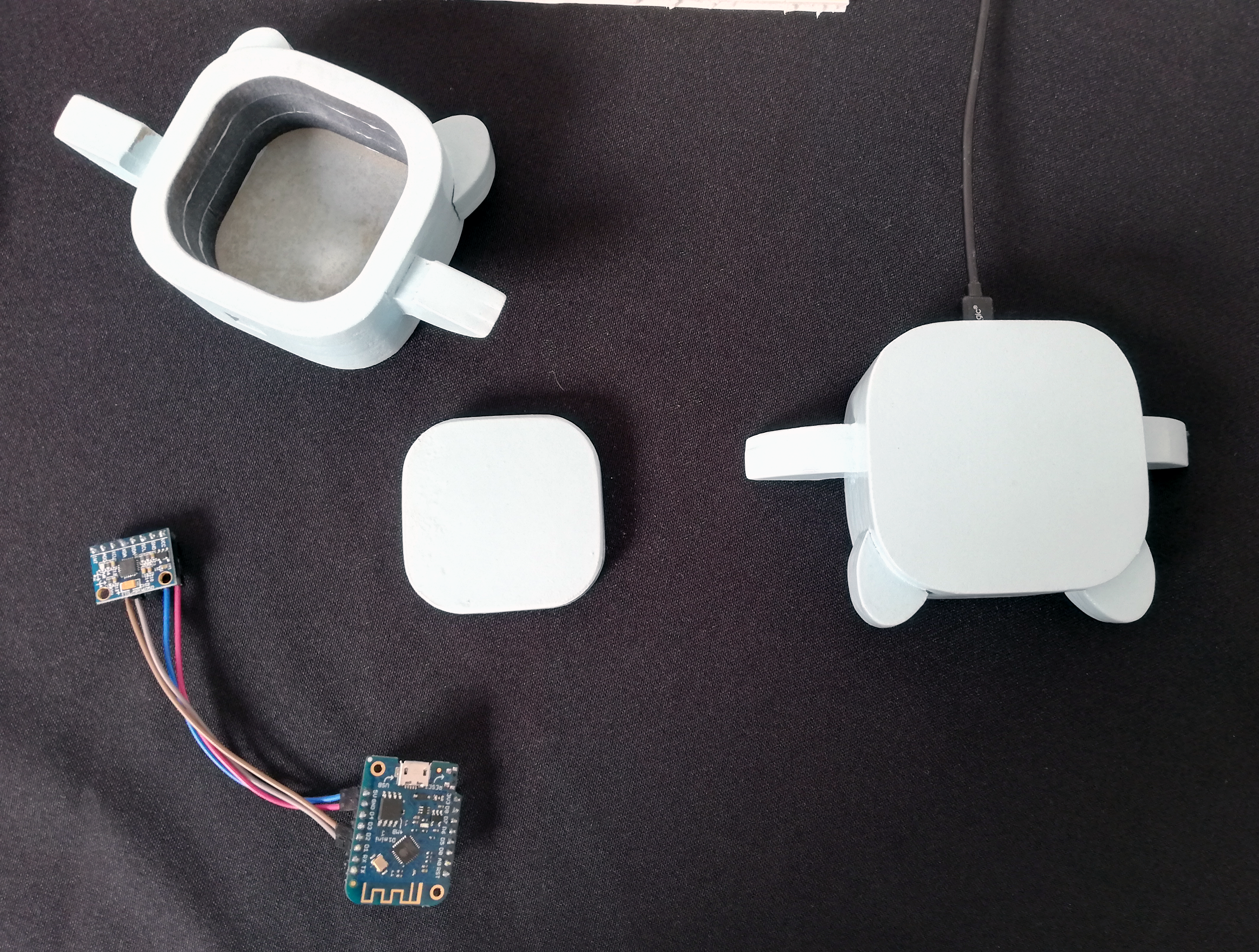

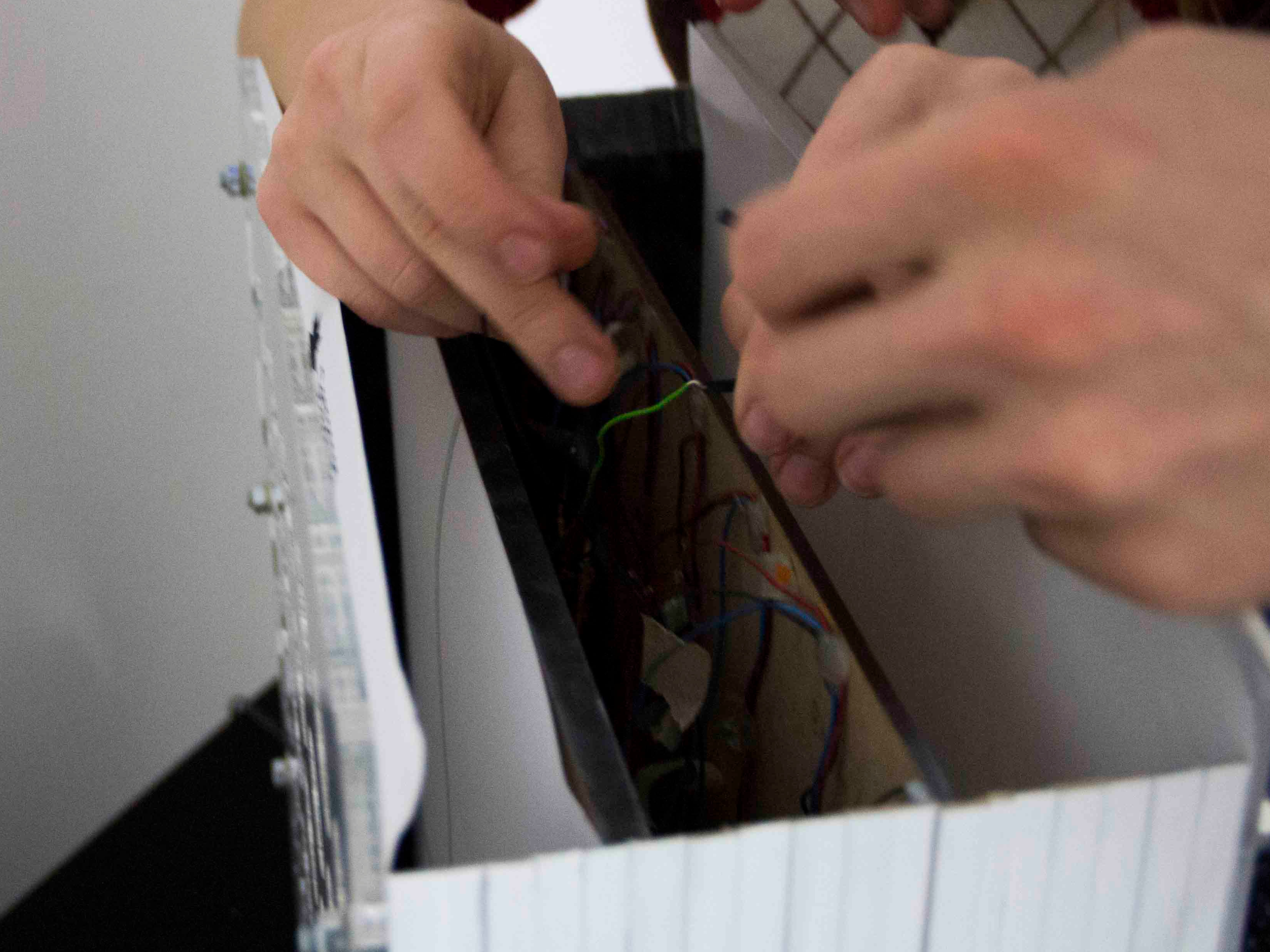
Throughout my Master I have constructed many physical and digital prototypes of low-, mid-, and high-fidelity, most of which required me to learn new skills and work with unfamiliar components, tools, and techniques. Most of the examples in this portfolio are fabricated through laser cutting and finished by hand, but there are also some examples of entirely handcrafted work, 3D model renders, paper prototypes and app mockups, and interactive digital interfaces for touchscreens. I have mostly found it educational to create mid- or high-fidelity interactive physical prototypes for contextual user evaluations, because it allowed me to work with many different electronical components and sensors, design and solder electrical circuits, program microcontrollers, explore physical properties of different materials and forms, use different construction methods, and test and improve physical interactions with the prototype.
I aimed to get out of my comfort zone by choosing learning activities and taking on challenges outside my own skillset and experience, such as the M1.1 group project, where I took on the responsibility to create digital and physical prototypes that required a greater level of skill, and my M1.2 project in the DIGSIM squad, where I could familiarize myself with research in the context of smart home technology and interconnected systems. Furthermore, I took courses to learn about the application, deployment, and training of machine learning algorithms in an interactive prototype that functions as a social agent, about understanding and outlining technological trends in the context of past, current, and future development, and courses from other faculties to gain practical experience with programming social robots and to gain insight in current and speculative technology development from the perspective of engineering ethics. Although I am not highly skilled in programming, 3D modelling, or material science, from my experience working in multidisciplinary teams I have found that I have gained a certain base level of knowledge that allows me to better understand and contribute to the work of others who are, which can be a great asset.
In my M2.2 project I decided to leave my comfort zone again and research and explore the design of wearables as part of a material exploration to outline design requirements, steer my concept development, and construct interactive prototypes. I worked with many unfamiliar materials, components, and construction methods to create responsive samples with shape changing or color changing properties. These prototypes were not intended as feasible high-fidelity artifacts for everyday use in context, but as a means to gain insight about the user experience and feasibility of different look and feel, interaction, materiality, and functional aspects and to outline further development and design requirements. These prototypes also proved useful in a showroom setting because of their aesthetic and interactive appeal, which made others curious about their construction and purpose.
The experiences in my Master allowed me to develop a varied prototyping skillset which I can apply to various challenges, but it also allowed me to develop an open and proactive attitude towards working with unfamiliar materials, methods, and technologies, which I have found can offer interesting function and interaction opportunities. I have also found it easier to consult experts from different fields and asses the feasibility of different solutions.
Development & Future
I believe the true strength of the Eindhoven industrial designer lies in our mindset and work approach. At our faculty the designer is often described as a “spider in the web”: someone who is able to look at the whole picture and identify opportunities by making connections between stakeholders and relevant information to direct process.
I have the practical knowledge and skills to, for example, set up a data study or create an interactive prototype, but my true value lies in my ability to apply a broad skillset to a variety of complex problems, take a critical attitude and investigate opportunities from multiple perspectives, choose appropriate methods and tools to move a process forward, and collaborate and communicate effectively with target users, stakeholders, and professionals from different fields. I am able to generate and pursue creative ideas, and make strong arguments about their value to different stakeholders, our field, and larger societal trends.
Essentially, we take something abstract and translate it into something concrete and relevant that we can feasibly approach with design. This skill is difficult to define, but extremely valuable, as our mindset and approach can be broadly applied to different challenges. I have noticed that these skills make me ideally suited for work that requires multidisciplinary teams in my experiences collaborating with stakeholders and students form other faculties. I learnt that I can bridge gaps between the different needs and experiences of collaborators by taking different perspectives and communicating in their own language, but also help to direct a process through a proactive and critical attitude and encouraging reflection, creating a pleasant and productive attitude where different collaborators can valuably contribute to the project.
I believe that my M2.2 project demonstrates an application of many of the skills I have obtained throughout my Master, ranging from UX design methodologies, the ability to investigate and critically reflect on information, ideation and creative decision making, practical realization of a concept, and the ability to direct and manage a user-oriented design process, resulting in an outcome that is grounded on academic literature, validated through quantitative and qualitative user feedback, and has relevance in the societal context and our field. The project embodies my expertise areas User & Society and Creativity & Aesthetics through a strong focus on user-oriented research and design methodologies, the exploration of materials and interactions, and the approach of normalization through design from a UX-perspective as well as a contribution to societal and industry trends.
I started my Master program near the end of a lengthy physical rehabilitation process that followed the diagnosis of multiple chronic illnesses. Learning to understand and better cope with my disability has been an ongoing challenge, which will no doubt continue for the rest of my life.
At the start of the Master I set out to discover what I could reasonably expect from myself and find a sustainable way to approach my education. A large part of this was learning how to better manage and distribute my workload through planning and reflection. The ability to manage a realistic planning and consistent work schedule had been an ongoing challenge throughout my Bachelor, which meant I needed to take a very deliberate approach to develop this skill. I joined a STU group to gain a better grasp on my ability to plan and manage my short-term and long-term planning, and regularly met with the study advisor to reflect and find ways to better accommodate my disability. This required much trial and error, but eventually I was able to find the tools and develop the habits to help me take on about 60% of the full-time workload, which allowed me to progress through my Master at a slower and more reasonable pace.
However, during the last few years my physical condition rapidly and unexpectedly took a turn for the worse, and the severity of familiar and new symptoms made me unable to function at a level that allowed me to work for months. This was made even more difficult to cope with because the COVID-19 lockdown made it impossible for me to rely on most of the habits and structure I had previously built up to help me function. The project was put on pause, and I entered a lengthy diagnosis process. By the time I was able to return to my project, my level of ability was significantly lower than years prior and still wildly fluctuated. It had become difficult to estimate the amount of work I could feasibly plan in my schedule, and struggled with finding a new work balance again. My previous experiences from rehabilitation were helpful, but my level of functioning was much lower and unreliable than before, which meant that I had to essentially figure out my limits and useful accommodations from scratch. Eventually, I was able to gain more insight in this and develop sustainable work habits and realistic expectations. I was would be able to work for a few hours a day and a few days per week, taking on about 40% of the full-time work hours. In the end, the amount of time I was able to spend on this project is roughly the same as the intended work hours, but spread out over a much longer period of time.
Although my physical condition has somewhat stabilized these past few months, a certain amount of uncertainty remains and needs to be taken into account for the future. I have become much better at dealing with a fluctuating level of ability through reflection and flexible planning, which makes me much more prepared to deal with any future changes and envision realistic career options.
Throughout my Master I have I have developed a greater understanding what drives me as a designer, and what I value in design. I initially envisioned to become a more user-oriented designer that is able to approach projects for a large variety of target users, and challenged myself to deliberately approach design for user groups my fellow students had described as “non-standard”, but this goal eventually took me in the direction of disabled users and designer-oriented projects as I aimed to improve my own and other designers’ ability to understand, work with, and design for these user groups.
I have become very passionate about continuing this type of research, as I believe it is important to expand the practices and tools designers have at their disposal to create satisfying user experiences for disabled target groups, whether they specifically design for these users or encourage more inclusive design overall. I therefore plan to write a conference paper based on the work I have done in my master for CHI, which I hope can create more awareness and give designers a better grasp of the topic.
Although I no longer plan to further my academic education because my current level of ability makes it difficult to perform in this type of work environment, I would like to consider the possibility to return to academic research in the future if my physical condition allows me to do so in a sustainable manner.
I am currently in the process of finding a part-time position as a social designer, which would allow me to work on a variety of complex societal challenges through a design approach and collaborate with a multitude of stakeholders, which is something I immensely enjoy and plays to my strengths and skillset as a user-oriented designer. I am especially enthusiastic about the work of Afdeling Buitengewone Zaken, as their projects take on a variety of challenges that contribute value on an interpersonal and societal level, which is very much in line with my own vision and approach to design.
No matter what the future may bring, I am confident in my ability as a designer and I hope that I can keep contributing meaningfully to valuable user experiences and systemic change on a larger societal scale.
 Portfolio Merel Vermeeren